
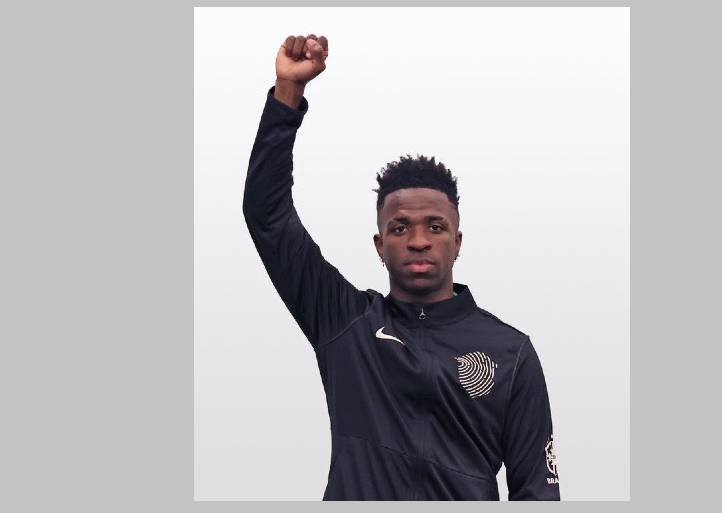

Vinícius Júnior chose a date that carries the weight of history.
On May 13 — the anniversary of the abolition of slavery in Brazil — the Real Madrid star announced the launch of a 100% free legal support initiative for victims of racism. For many, it was more than a public statement from a footballer. It felt personal. Intentional. A message from someone who has spent years standing in the eye of the storm.
Beyond his activism, Vinícius Júnior has established himself as one of the defining football talents of his generation. Since joining Real Madrid as a teenager, the Brazilian winger has evolved from a promising prospect into a global superstar, known for his explosive pace, fearless dribbling, and ability to deliver in the biggest moments. He played a decisive role in Real Madrid’s domestic and European successes, including scoring the winning goal in the 2022 UEFA Champions League final. Internationally, he has become a key figure for Brazil national football team, carrying the expectations of a football-obsessed nation while earning recognition as one of the sport’s most influential young voices both on and off the pitch.
At just 25, Vinícius has become one of the brightest faces in world football. But alongside the trophies, goals, and standing ovations has come something darker: repeated racist abuse in stadiums across Spain. Chants from the stands. Slurs online. Moments that forced the sport to confront an ugly reality it could no longer ignore.
Each time, Vinícius refused to stay silent.
Now, he is turning that fight into something concrete.
The new law firm — offered entirely free of charge — is designed to help victims of racial discrimination pursue justice, particularly those who cannot afford legal representation. While details of the operation are still emerging, the symbolism of the announcement was unmistakable: access to justice should not depend on wealth, status, or fear.
For many Brazilians, May 13 is not simply a historical footnote. It marks the official end of slavery in 1888, but it also sparks reflection about the inequalities and racism that survived long after abolition. By choosing that date, Vinícius connected the past to the present — acknowledging that freedom on paper does not always mean equality in everyday life.
What makes the gesture resonate is that it comes from lived experience.
Vinícius is not speaking about racism from a distance. He has endured it publicly, repeatedly, under stadium lights and in front of millions. Instead of retreating, he has become one of the most outspoken athletes of his generation on the issue. His voice has helped force football authorities, clubs, and governments to treat racist abuse not as “part of the game,” but as a societal problem demanding accountability.
But this latest move shifts the conversation from awareness to action.
Because outrage fades. Headlines move on. Legal support, however, can change lives.
For a young person insulted because of their skin color, for a worker facing discrimination, or for families who feel powerless navigating the legal system, the existence of free legal help can mean the difference between silence and standing up.
In a world where celebrity activism is often criticized as performative, this initiative carries a different weight. It is practical. Costly. Long-term. The kind of commitment that requires more than a social media post.
And perhaps that is why the announcement struck such a chord.
Vinícius Júnior has spent years asking the football world to listen. On May 13, he showed he is also prepared to build.
(Created with the help of AI)