

The case of Dilshan Madusankha has highlighted the difficulties faced by victims and witnesses seeking justice in Sri Lanka, with concerns that institutions meant to protect them can sometimes become an additional source of hardship.
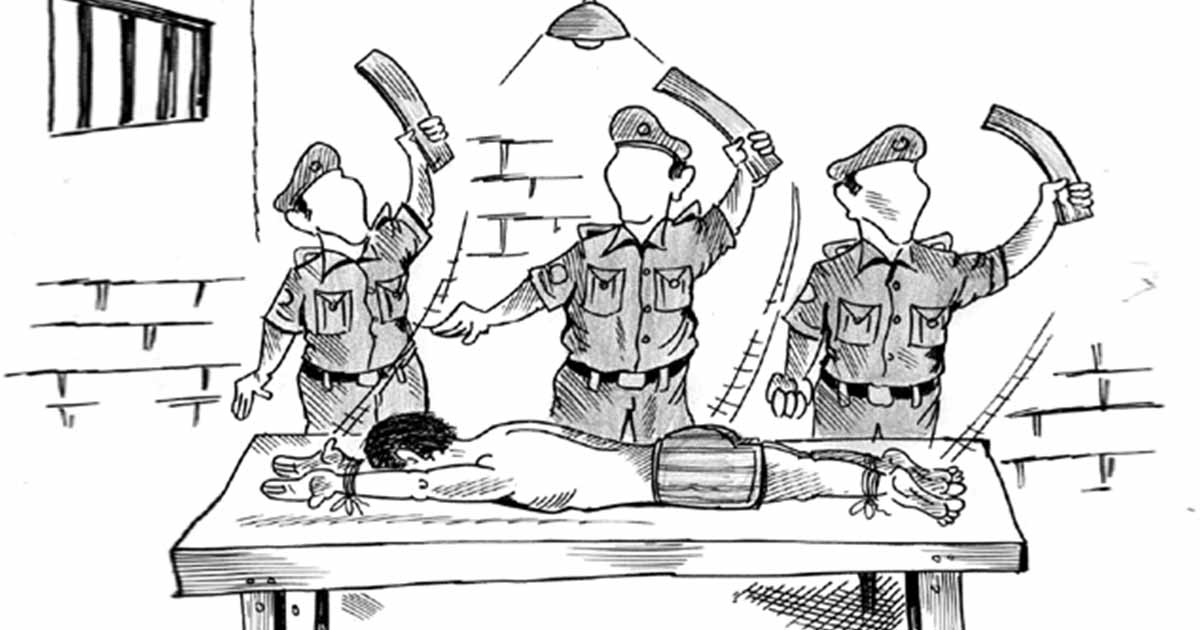
A recent ruling by the Human Rights Commission of Sri Lanka (HRCSL) found that Dilshan’s fundamental rights had been violated through alleged police torture in 2020. However, on the same day that decision was announced, Dilshan received a letter from the National Authority for the Protection of Victims of Crime and Witnesses indicating that his protection arrangements could be reconsidered, causing fresh distress for him and his family.
Dilshan’s ordeal began in August 2020 when he was arrested by Malimbada Police in connection with a theft investigation. He maintained that he had been wrongly identified from surveillance footage and alleged that he was subjected to severe torture while in police custody. His family later claimed that police acknowledged the mistaken identification after discrepancies in the evidence were pointed out.
Following the incident, Dilshan and his family embarked on a lengthy legal battle, alleging that attempts were made to minimise his complaints and avoid accountability. His lawyers told court proceedings that the physical and psychological consequences of the incident had severely disrupted his life and prevented him from pursuing normal employment and social activities.
In January 2024, Dilshan allegedly became the target of an attack aimed at preventing him from giving evidence. According to his family, a friend was shot and killed after being mistaken for him. In response, a court ordered 24-hour police protection for Dilshan through the Witness Protection Authority.
While the protection was intended to ensure his safety, Dilshan and his family say it has effectively confined him to his home, restricting his freedom of movement and ability to work. They also allege that he has not received adequate financial, legal, or psychological support despite being enrolled in the victim protection programme.
The HRCSL’s investigation ultimately concluded that Dilshan’s fundamental rights had been violated and criticised shortcomings in the handling of the case, including concerns regarding medical examinations and alleged attempts to conceal the incident. The Commission recommended compensation for Dilshan and disciplinary action against those responsible.
Despite the ruling, Dilshan maintains that significant challenges remain. His family has accused the Witness Protection Authority and Police Witness Protection Division of failing to adequately address his concerns, including issues relating to transport for court appearances, communication failures during emergencies, and the manner in which some officials allegedly treated him.
Four police officers accused of torturing Dilshan have been indicted before the High Court, while concerns have also been raised regarding the police investigation into the allegations.
Human rights advocates say the case underscores broader weaknesses in victim protection mechanisms, arguing that justice should not end with court rulings but must also ensure victims can rebuild their lives with dignity, security, and independence. Ahead of the International Day in Support of Victims of Torture on 26 June, campaigners have called on the relevant authorities to address Dilshan’s concerns and ensure that the protection system functions as intended.
(Adopted from an article by Tharindu Jayawardena in Sunday Observer)