

Image courtesy of @Kumanan
Geneva/Kilinochchi, 22 June 2026 – Families of victims of enforced disappearances in Sri Lanka’s Northern and Eastern Provinces have appealed to the United Nations Human Rights Council (UNHRC) to support an independent international investigation into enforced disappearances, mass graves and alleged wartime human rights violations.
In a letter dated 19 June 2026 and addressed to the United Nations High Commissioner for Human Rights, the Association for Relatives of the Enforced Disappearances (ARED) said that despite 17 years having passed since the end of Sri Lanka’s armed conflict, thousands of affected families continue to be denied the truth about the fate and whereabouts of their loved ones.
The association said that more than 400 parents and relatives who campaigned for answers had died without learning what happened to missing family members.
“We have not received truth or justice through any mechanism,” the organisation stated, urging the international community to intervene before more family members pass away without answers.
The group rejected recent comments by Sri Lanka’s Justice Minister regarding the issue of enforced disappearances and insisted that any solution must be based on truth, accountability and guarantees of non-recurrence.
According to the statement, successive efforts to address the issue through compensation payments, death certificates and other administrative measures cannot replace a credible process to establish the truth.
“Compensation cannot substitute justice,” the organisation said, arguing that financial remedies without an effective truth-seeking mechanism deny victims’ families their right to justice.
ARED also questioned the effectiveness of state institutions dealing with reconciliation and missing persons, expressing concern that resources allocated to the Office on Missing Persons (OMP) and the Office for National Unity and Reconciliation (ONUR) were being used to administratively close cases rather than ensure accountability.
The association further pointed to what it described as unequal application of the rule of law, citing several recent incidents, including the granting of bail to a Buddhist monk accused in a child sexual abuse case, the treatment of Tamil religious leaders involved in land-related disputes, and the arrest of a young man from Kilinochchi under the Prevention of Terrorism Act (PTA) for singing a song.
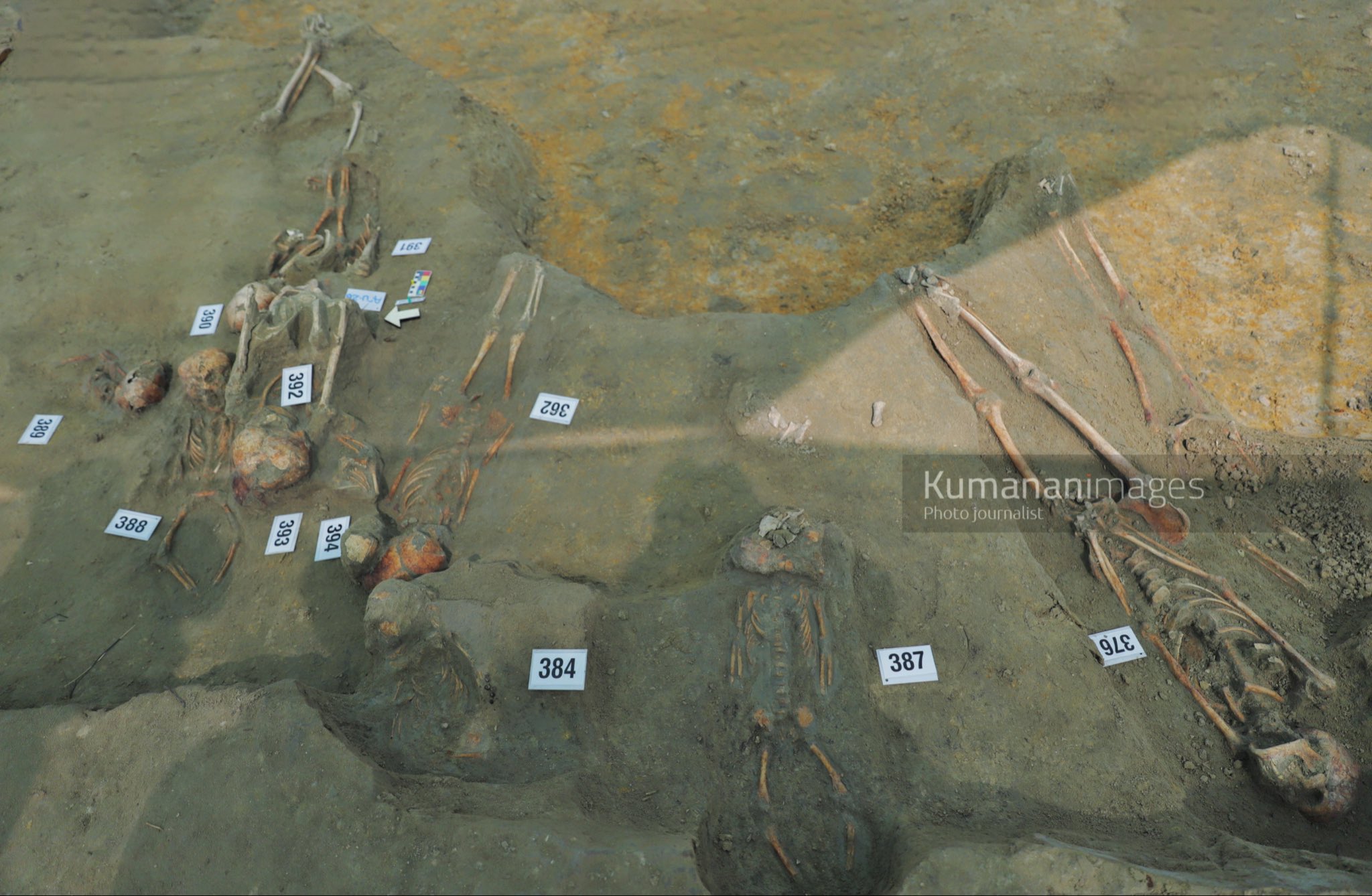
The statement also highlighted growing concerns surrounding the Chemmani mass grave site near Jaffna. Families of the disappeared noted that ongoing excavations have uncovered more than 380 skeletal remains, describing the findings as significant evidence linked to wartime and post-war human rights violations.
The Chemmani site first attracted international attention in the late 1990s following allegations that large numbers of civilians who disappeared during the conflict had been buried there. Excavations resumed in recent years as part of a renewed forensic investigation, with the latest discoveries making it one of the largest mass grave investigations in Sri Lanka’s history.
Rights groups and families of the disappeared have repeatedly called for international forensic expertise to be involved in the examination of the remains, arguing that the findings could provide crucial evidence regarding enforced disappearances and alleged abuses committed during the conflict.
Citing the Chemmani discoveries and longstanding delays in resolving disappearance cases, ARED said it no longer had confidence in domestic investigations and called for independent international oversight.
Among its key demands, the organisation urged the UN Human Rights Council to ensure an independent investigation into enforced disappearances, facilitate international forensic participation at all mass grave sites, identify and prosecute those responsible for human rights violations and alleged war crimes, and support legal and political reforms aimed at preventing future abuses.
The appeal was signed by ARED President Y. Kanagaranjini and Secretary C. Jenitha, and has also been copied to the United Nations Secretary-General and member states of the UN Human Rights Council.
The issue of enforced disappearances remains one of the most contentious unresolved legacies of Sri Lanka’s decades-long civil conflict, with families continuing to seek answers regarding thousands of people reported missing during and after the war.