

TEHRAN – In a dramatic last-minute diplomatic breakthrough, the United States, Israel, and Iran have agreed to a two-week ceasefire, with President Donald Trump pulling back from his threatened devastating strikes on Iran less than two hours before his deadline was set to expire .
Trump announced the agreement late Tuesday, stating he was suspending bombing operations against Iran for two weeks on condition that Iran immediately reopen the Strait of Hormuz. “It’s a big day for World Peace!” Trump posted on Truth Social, adding that “Iran wants it to happen, they’ve had enough!” .
The ceasefire comes after more than five weeks of warfare that began on February 28, when the US and Israel launched their campaign against Iran . The conflict has claimed more than 1,900 lives in Iran, over 1,500 in Lebanon, and 13 US service members, while causing widespread disruption to global energy markets .
Iran’s 10-Point Plan
President Trump initially described Iran’s proposed 10-point peace plan as “workable” and a potential basis to end the war, though he later called the plan “fraudulent” without elaborating . According to Iranian state media and officials familiar with the negotiations, the plan’s key provisions include :
1. Strait of Hormuz Passage – Regulated passage through the strategic waterway under Iranian military management, with fees to be collected by both Iran and Oman for reconstruction purposes
2. Acceptance of Enrichment – The Farsi version of the plan includes Iran’s acceptance of uranium enrichment, a point notably missing from English-language versions
3. US Combat Force Withdrawal – Removal of American combat forces from the region
4. Sanctions Lifting – Complete removal of economic sanctions against Tehran
5. Release of Frozen Assets – Unblocking of Iranian assets held overseas
6. Nuclear Program Recognition – Implicit acknowledgment of Iran’s right to continue aspects of its nuclear program
7. Reconstruction Funding – Using Strait fees and released assets for war reconstruction
8. Regional Non-Aggression – Cessation of attacks on US, Israeli, and regional state targets
9. Negotiation Framework – Talks to begin April 10 in Islamabad, mediated by Pakistan
10. Temporary Humanitarian Measures – Immediate steps to allow humanitarian aid and basic goods
However, significant confusion surrounds the plan’s specifics, with the White House offering little clarification on what Trump meant by calling it “workable” before later dismissing it.
Mixed Signals and Continuing Fighting
Despite the announced ceasefire, fighting has continued. Missile alerts sounded across the United Arab Emirates, Israel, Saudi Arabia, Bahrain, and Kuwait even after the agreement was announced. A gas processing facility in Abu Dhabi was left ablaze following incoming Iranian fire .
An Israeli military official confirmed that Israel is “still attacking Iran,” while Iran has kept up fire on Israel . The US military has halted all offensive operations against Iran but continues defensive actions, according to a US official .
Israel’s Position: Lebanon Excluded
A critical point of contention has emerged regarding the ceasefire’s scope. While Pakistan, which brokered the agreement, announced the ceasefire applies “everywhere including Lebanon,” Israeli Prime Minister Benjamin Netanyahu’s office quickly contradicted this, stating the deal “does not include Lebanon” where Israel continues fighting Iran-backed Hezbollah militants .
Netanyahu’s office said Israel supports Trump’s decision to suspend strikes against Iran for two weeks, subject to Iran immediately opening the Strait of Hormuz and stopping all attacks. However, the statement made clear that Israel’s campaign against Hezbollah in Lebanon would continue separately .
“There are concerns in Israel about the agreement,” an anonymous source told the Associated Press, noting that Israel “would like to achieve more” .
Domestic Reactions in Iran
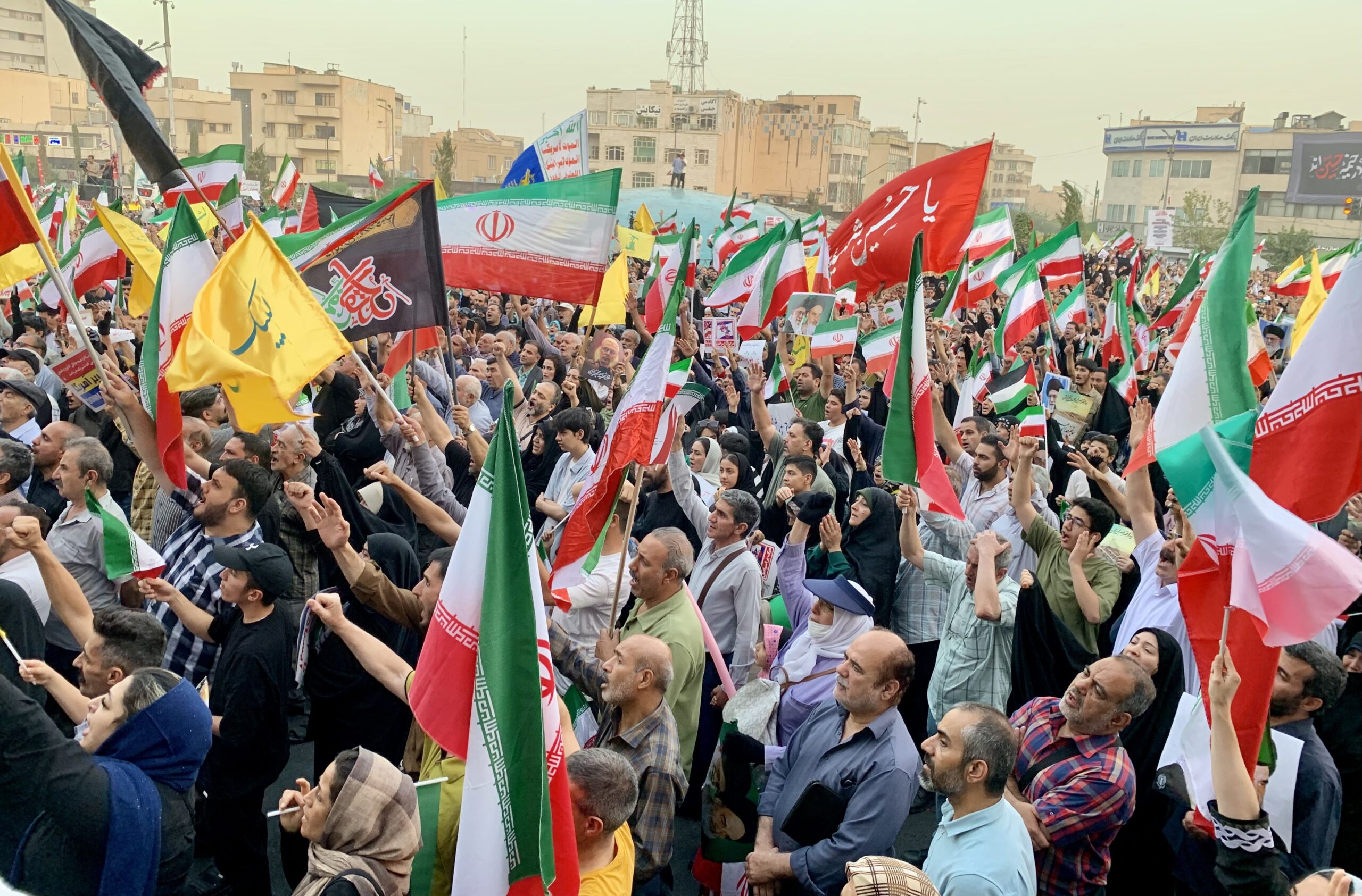
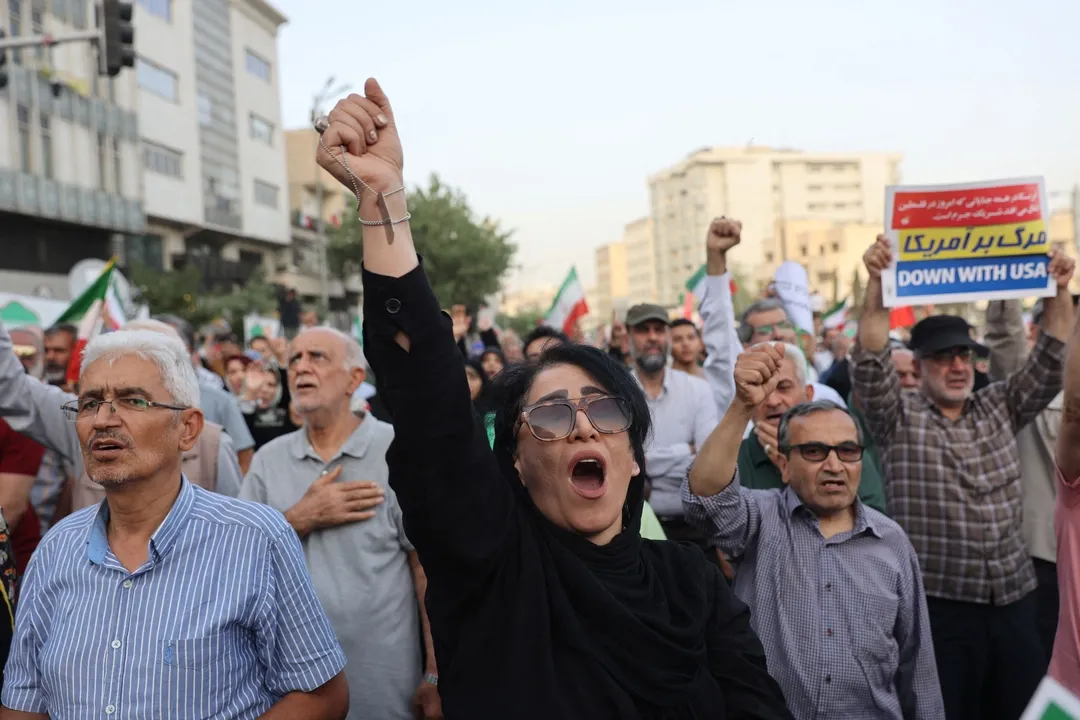
On the streets of Tehran, the response to the ceasefire has been volatile. Pro-government demonstrators gathered at Enqelab-e-Eslami Square, burning American and Israeli flags while chanting “Death to America, death to Israel, death to compromisers!” – reflecting ongoing anger from hard-liners who had been preparing for what many assumed would be an apocalyptic battle with the United States .
Iran’s Supreme National Security Council stated that its acceptance of a ceasefire “doesn’t mean an end to the war,” suggesting Tehran views this as a pause rather than a resolution .
Prospects for Ending the War
Immediate Challenges
The prospects for a lasting end to the war remain highly uncertain, with several immediate obstacles:
Dueling Interpretations – Iran and Israel appear to have fundamentally different understandings of the ceasefire’s scope, particularly regarding Lebanon and Iran’s nuclear enrichment rights .
Continued Hostilities – With both sides still launching attacks, the ceasefire’s durability is immediately questionable. The agreement’s vague terms about when it actually begins have compounded confusion .
Hard-Liner Opposition – The street protests in Tehran and reported concerns within Israel suggest political opposition to compromise on both sides .
Expert Assessment
Ali Vaez, Iran Project Director at the International Crisis Group, warned before the ceasefire announcement that military pressure on Iran is unlikely to produce a sustainable outcome. Speaking to Anadolu Agency, Vaez argued that “the military option is not a solution” and that neither side has achieved a decisive victory .
“The longer this war goes on, the higher the costs and the risks for both sides and the rest of the world,” Vaez said. “As unattractive as a ceasefire might look… it is the best option available”.
Vaez noted that exiting the conflict would require acknowledging that Iran’s government remains intact, its enriched uranium stockpile persists, and Tehran retains influence over key strategic routes such as the Strait of Hormuz – outcomes that may be politically difficult for Trump and Netanyahu to accept .
Potential Path Forward
Pakistan has invited Iran and the US to talks in Islamabad beginning Friday, April 10, offering a framework for negotiations. International reaction has been cautiously positive, with the UN Secretary-General Antonio Guterres welcoming the ceasefire while urging all parties to work toward long-term peace.
Australia, Japan, and New Zealand have also welcomed the agreement as a positive development, though Australian Prime Minister Anthony Albanese criticized Trump’s earlier threat to destroy Iranian “civilisation” as inappropriate.
However, the fundamental issues that sparked the war – Iran’s nuclear program, its regional influence, control of the Strait of Hormuz, and the status of US sanctions – remain unresolved. The two-week window provides a brief opportunity for diplomacy, but experts caution that a lasting peace will require compromise neither side has yet shown willingness to make .
(With inputs the help of Deep Seek.)
—
**Casualty toll as of April 8, 2026** :
– Iran: 1,900+ killed
– Lebanon: 1,500+ killed, 1 million displaced
– Israel: 23 killed
– US service members: 13 killed
– Gulf Arab states and West Bank: 2 dozen+ killed
*Associated Press writers contributed to this report from Dubai, Cairo, Washington, and The United Nations.*