
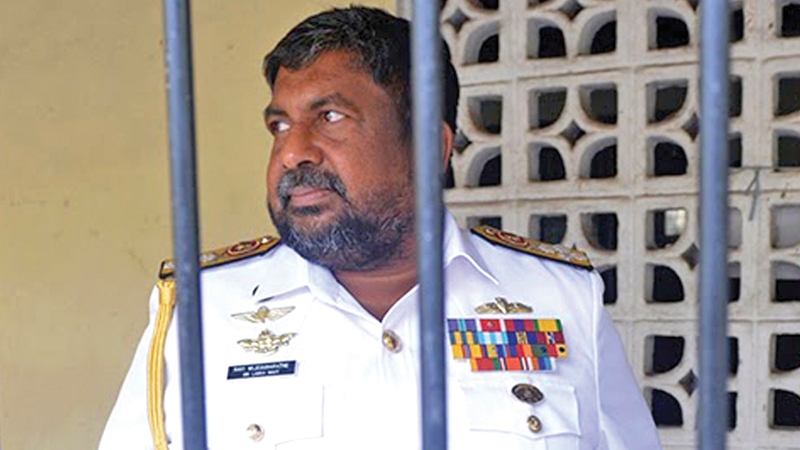

Former Navy Commander Admiral Ravindra Wijegunaratne has been named as a suspect in connection with the abduction and disappearance of 11 youths, in a major development in one of Sri Lanka’s most controversial human rights cases. He has been summoned to appear before the Fort Magistrate’s Court on 27 July 2026.
The case dates back to the 2008–2009 period, when 11 young men—many of them students from Colombo and its suburbs—were allegedly abducted by members of a covert Sri Lanka Navy intelligence unit. The abductions are believed to have been carried out as part of an organised extortion racket, in which families were contacted and asked to pay ransom in exchange for the release of their relatives. While some payments were reportedly made, most of the victims were never returned and remain missing.
Investigations by the Criminal Investigation Department (CID) have indicated that the abducted youths were initially detained at naval facilities in Colombo before being transferred to the Trincomalee Naval Base. Central to the case is the so‑called “Gun Site” (also referred to as Gunside) camp in Trincomalee—a highly restricted area within the naval complex that functioned as a secret and unlawful detention site.
Evidence presented in court proceedings and international investigations suggests that the Gun Site consisted of underground bunkers and prison cells originally built as munitions storage, which were later used by naval intelligence to hold detainees incommunicado. Reports indicate that detainees, including the 11 abducted youths, were kept in harsh conditions without natural light, subjected to interrogation, and in some cases torture.
Testimony from witnesses and former detainees has linked the facility directly to enforced disappearances. Some victims managed to maintain brief contact with their families while in custody, confirming that they were being held first in Colombo and later at the Trincomalee Gun Site. However, these communications eventually stopped, and the detainees were never seen again, leading investigators to believe they were killed after being held for extended periods.
The case has also raised serious allegations of institutional cover-up. The CID previously alleged that senior naval officials were either complicit in the operation or actively obstructed investigations, including attempts to protect suspects and facilitate their escape from the country. Admiral Wijegunaratne himself has earlier been accused of shielding a principal suspect involved in the abductions and of interfering with the investigative process.
Widely known as the “Navy 11” case, the disappearance of the 11 youths has become emblematic of enforced disappearances and alleged abuses of power by security forces during the final years of Sri Lanka’s civil conflict. Despite years of investigations, arrests, and court proceedings, the fate of the victims remains unknown, and accountability has been repeatedly delayed.