

By Sri Lanka Brief.
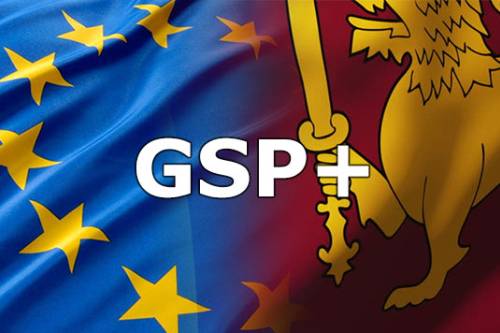
Sri Lanka’s trade relationship with the European Union is entering a new phase, as Brussels finalizes an updated framework for its Generalised Scheme of Preferences (GSP), a cornerstone programme that grants developing countries reduced tariffs on exports. For Colombo, a long-standing beneficiary of the more advanced GSP+ tier, the changes bring both opportunity and heightened scrutiny.
After several years of negotiations, the European Commission, Council, and Parliament reached a provisional agreement in December 2025 on a revised GSP regulation that will shape trade ties from 2027 onward. While the scheme retains its core structure—comprising the standard GSP, GSP+, and the ‘Everything But Arms’ (EBA) arrangement—it introduces tighter rules on sustainability, governance, and human rights compliance.
A Vital Trade Lifeline
For Sri Lanka, GSP+ is not just a trade perk—it is a lifeline. The scheme allows duty-free access to EU markets for a wide range of exports, particularly garments, seafood, and rubber products. At a time when the country is still recovering from a severe economic crisis, continued preferential access to the EU is crucial for export earnings and employment.
The new regulation maintains this access but raises the bar for compliance. Countries like Sri Lanka benefit from GSP+ only if they implement 27 international conventions covering human rights, labour standards, environmental protection, and good governance. Under the new rules, these obligations will expand and enforcement will become stricter.
Stronger Conditions and Wider Scope
One of the most significant changes is the extension of conditionality. Previously, stricter requirements applied mainly to GSP+ beneficiaries. Now, even countries under standard GSP and EBA will face broader obligations, including environmental and governance standards.
For Sri Lanka, which already has to meet higher standards, the shift means additional commitments. The EU plans to expand the list of required international conventions by adding agreements on disability rights, child protection in armed conflict, labour inspection and consultations, climate change under the Paris Agreement, and combating organised crime.
This expansion reflects the EU’s growing emphasis on sustainability and ethical trade. It also places Sri Lanka under closer international scrutiny. Compliance will no longer be assessed only in terms of human rights and labour protections, but also climate action and governance integrity.
The Risk of Withdrawal
Another key feature of the revised GSP is a more flexible withdrawal mechanism. The European Commission will gain stronger powers to investigate and respond to “serious and systematic violations” of the conventions.
In practice, this means Sri Lanka could face faster action if concerns arise over issues such as labour rights enforcement, environmental policies, or governance practices. Importantly, the EU intends to consider socio-economic impacts before withdrawing benefits, acknowledging that cutting trade preferences can harm vulnerable economies. Nevertheless, the threat of suspension will carry more weight than before.
The new framework also introduces an “urgent withdrawal procedure,” signalling that Brussels is prepared to act decisively when standards are not met.
A New Layer of Accountability
Transparency and monitoring will also be enhanced. The EU plans to extend its review cycle from two to three years, aligning it with international reporting schedules. More detailed monitoring processes and increased involvement of civil society are expected.
For Sri Lanka, this could translate into more frequent engagement with EU officials and stakeholders, as well as greater pressure from both local and international advocacy groups. While this may help strengthen institutional reforms, it also raises the stakes for compliance.
Current GSP+ beneficiaries, including Sri Lanka, will continue enjoying existing preferences during a transition period until the end of 2028. However, they must reapply under the new regulation, submitting action plans demonstrating how they will meet the updated requirements.
Opportunities Amid Change
Despite the stricter rules, the updated GSP offers some positive developments. It aims to ensure smoother transitions for countries moving up the development ladder and provides mechanisms to maintain preferential access if sustainability standards are met.
In addition, the EU plans to lower thresholds for product graduation—the process by which competitive exports lose tariff advantages. This could benefit Sri Lankan exporters by allowing more products to remain eligible for preferential access, especially in sectors where the country is gaining competitiveness.
The revised scheme also includes new tools to address market disruptions, particularly in agriculture, which could provide some protection in volatile global markets.
Transition Period and Reapplication
Current GSP+ beneficiaries, including Sri Lanka, will continue enjoying existing preferences during a transition period until the end of 2028. However, they must reapply under the new regulation, submitting action plans demonstrating how they will meet the updated requirements.
This reapplication process will be critical. For Sri Lanka, it offers both a test and an opportunity—proof of its commitment to reforms and a pathway to secure long-term access to one of its most important export markets.
A Balancing Act for Colombo
The revised GSP framework underscores a broader shift in EU trade policy: economic benefits increasingly tied to values and sustainability. For Sri Lanka, navigating this landscape will require careful balancing.
Maintaining GSP+ status will depend not only on economic performance but also on progress in governance, human rights, and environmental stewardship. While this may pose challenges, it also aligns with the country’s long-term development goals.
As the new rules take shape, Sri Lanka stands at a crossroads—between the pressures of compliance and the promise of continued integration into global markets. How it responds could determine the trajectory of its export economy for years to come.