

Colombo, Sri Lanka — June 2026
Amnesty International has raised fresh concerns over Sri Lanka’s continued use of the controversial Prevention of Terrorism Act (PTA), warning that ongoing arrests and detentions under the law undermine government pledges to repeal it and bring legislation in line with international human rights standards.
The PTA, in force since 1979, has long been criticised by rights groups for enabling arbitrary detention, limiting due process, and facilitating abuses including torture and ill-treatment. Successive governments have promised reforms, and the current administration has publicly committed to replacing the law. However, critics say recent cases demonstrate that problematic practices persist.
Arrest of Tamil musician sparks debate
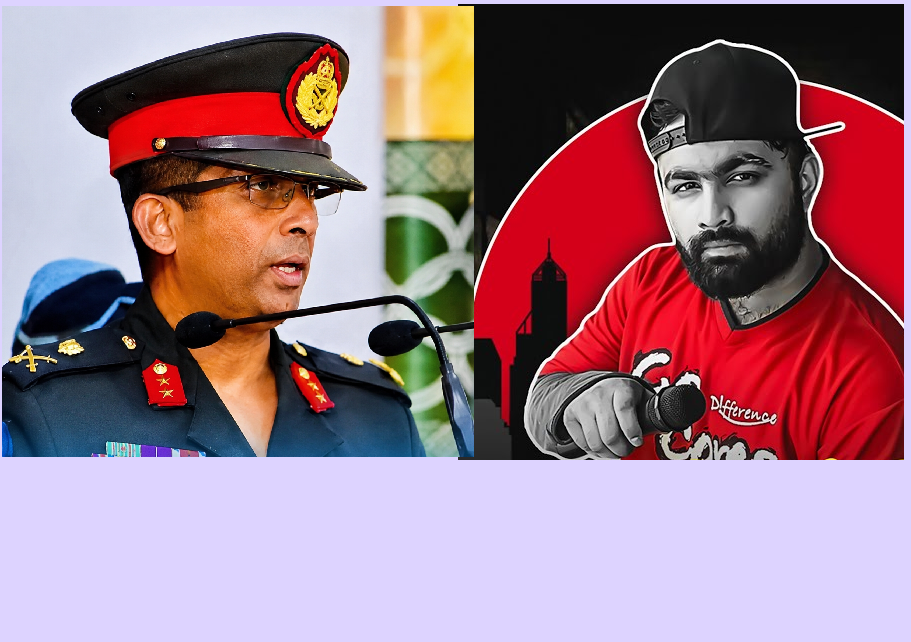
Renewed scrutiny has centred on the arrest of Sangeethan Ganeshkumar, a 24-year-old Tamil hip-hop artist detained on 2 June under the PTA. Authorities allege that a performance he recorded and shared online contained material glorifying the Liberation Tigers of Tamil Eelam (LTTE), a separatist group defeated in 2009.
Ganeshkumar has been remanded until 17 June following his appearance before a magistrate, prompting criticism from lawyers and rights advocates. His defence has challenged the allegations, arguing that the song in question did not explicitly reference the LTTE or its leadership.
The case has ignited a broader debate about the limits of artistic expression in post-war Sri Lanka, particularly in the Tamil-majority North, where cultural and commemorative expression remains sensitive. Civil society groups argue that the use of anti-terror laws in this context risks criminalising legitimate speech.
Protests have also been reported in Kilinochchi, with demonstrators calling for the artist’s release and the repeal of the PTA.
Concerns over detention of former intelligence chief
In a separate case, concerns have also been raised over the detention of Suresh Salley, a former head of Sri Lanka’s State Intelligence Service. Arrested on 25 February in connection with investigations into the 2019 Easter Sunday bombings, Salley remains in custody under PTA provisions.
Recent reports indicate that he has been hospitalised after launching a hunger strike while in custody, with family members highlighting concerns about his treatment and conditions of detention.
Authorities maintain that investigations are ongoing and emphasise the importance of accountability for the Easter attacks, which killed more than 250 people. However, rights groups stress that even in cases involving serious crimes, due process and fair trial guarantees must be upheld.
Broader concerns over the PTA’s scope
Amnesty International says these cases highlight deeper structural problems with the PTA. The organisation argues that the law’s broad and vague definitions of terrorism do not meet international legal standards, leaving room for misuse and arbitrary application.
Similar criticism has been echoed by other organisations, with Human Rights Watch noting that the PTA has historically enabled prolonged detention without charge and abuses against minorities and dissenters.
Although Sri Lanka has proposed new legislation—the Protection of the State from Terrorism Act (PSTA)—to replace the PTA, rights groups warn that the draft law risks replicating many of the same flaws, including expansive definitions and sweeping enforcement powers.
Calls for reform
Amnesty International is urging Sri Lankan authorities to take immediate steps to address these concerns. Among its recommendations are:
- Investigate alleged misuse of the PTA and all claims of abuse
- Ensure detainees are protected from torture and granted full due process rights
- Impose a moratorium on the use of the PTA
- Repeal the law without delay
The organisation also called for the prompt release of individuals detained under the PTA unless they are charged with internationally recognised offences and tried in line with fair trial standards.
Ongoing challenge
Sri Lanka’s continued reliance on the PTA comes amid longstanding international pressure to reform its counter-terrorism framework. The government has previouslyHowever, recent developments suggest that meaningful reform remains elusive, with critics arguing that current practices risk undermining public trust, reconciliation efforts, and the rule of law.