
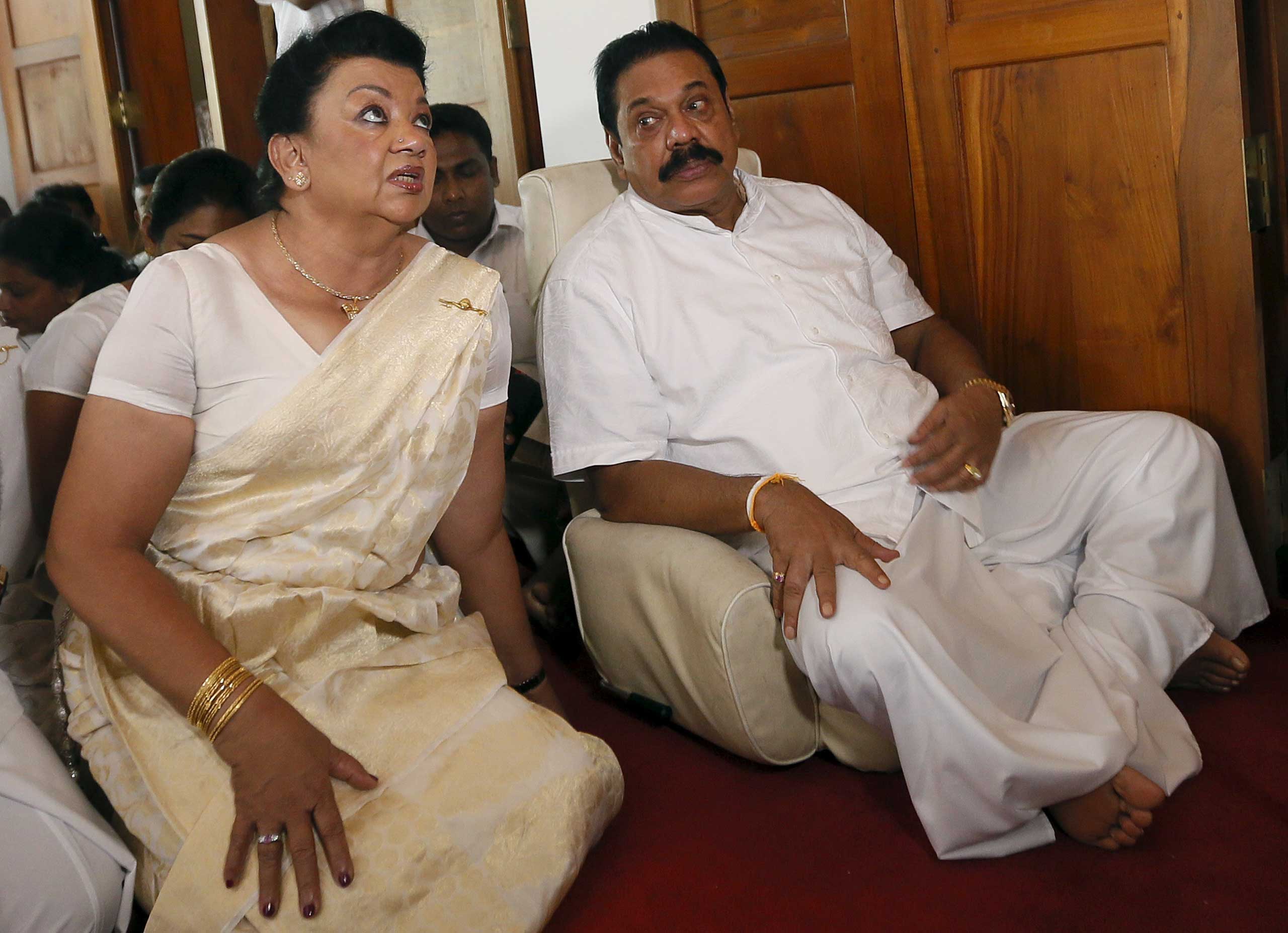

Sri Lanka’s anti-corruption watchdog has told the court that investigations into a controversial Rs. 10 million donation intended for a CT scanner for the Lady Ridgeway Hospital have uncovered a series of irregular transactions involving the Siriliya Saviya Foundation, the charitable organisation headed by former First Lady Shiranthi Rajapaksa.
The Commission to Investigate Allegations of Bribery or Corruption (CIABOC) informed the Colombo Chief Magistrate’s Court that although the request for funding had been made through the Carlton Suwa Udana Project for the purchase of a CT scanner for the Lady Ridgeway Children’s Hospital, the National Savings Bank (NSB) ultimately issued a cheque for Rs. 10 million in favour of the Siriliya Saviya Foundation.
CIABOC further alleged that the funds were not used for the stated purpose. Instead, investigators believe the money was channelled towards the purchase of a house in Torrington Place, Colombo. Prosecutors indicated that the property may have been acquired using proceeds linked to a criminal offence and said they would seek court orders to freeze assets purchased through the Siriliya Saviya account.
Former First Lady Shiranthi Rajapaksa and former NSB Chairman Pradeep Kariyawasam were produced before court on corruption-related charges. Rajapaksa was remanded until 13 October, while Kariyawasam was released on bail.
According to CIABOC, the cheque had initially been prepared in favour of the Carlton Suwa Udana Foundation, but was subsequently reissued to an account maintained by the Siriliya Saviya Foundation. Investigators told court that the NSB Board of Directors had allegedly been informed of the change only after the cheque had already been deposited.
The case stems from an investigation first launched by the Financial Crimes Investigation Division (FCID) in 2015 following a complaint regarding the transaction. The probe is now being conducted jointly by the FCID and CIABOC.
CIABOC’s Assistant Director General told court that the funds had been released without proper procedures after a request allegedly made by Rajapaksa to then NSB Chairman Kariyawasam. Defence lawyers argued that no criminal misappropriation had occurred and maintained that the money remained in the Siriliya Saviya account, which was frozen after the FCID investigation commenced in 2015.
Questions Over Siriliya Saviya’s Finances
The court proceedings are likely to renew public scrutiny of the Siriliya Saviya Foundation, a charity launched during Mahinda Rajapaksa’s presidency and closely associated with Shiranthi Rajapaksa. While the foundation publicly presented itself as a vehicle for women’s empowerment, livelihood support and social welfare programmes, critics have long questioned the transparency of its finances, sources of funding, governance arrangements and accountability mechanisms.
Civil society organisations and governance advocates have repeatedly raised concerns about the blurred lines between state institutions, politically connected charities and private foundations operating during the Rajapaksa administration. Questions have persisted over how funds were raised, the extent to which state entities were encouraged to contribute, and whether adequate public disclosure and independent auditing procedures existed.
The latest allegations place renewed focus on whether donations made to Siriliya Saviya were used strictly for charitable purposes, whether proper oversight mechanisms were in place, and whether public institutions followed due process when transferring money to organisations linked to politically exposed persons.
If proven, the allegations could further strengthen concerns about the use of charitable foundations associated with political figures as vehicles operating outside normal standards of public accountability. The CIABOC investigation is expected to examine not only the disputed CT scanner donation but also the wider flow and utilisation of funds received by the Siriliya Saviya Foundation.
The case remains before court, and all allegations are yet to be tested through judicial proceedings. No findings of guilt have been made against the accused at this stage.