
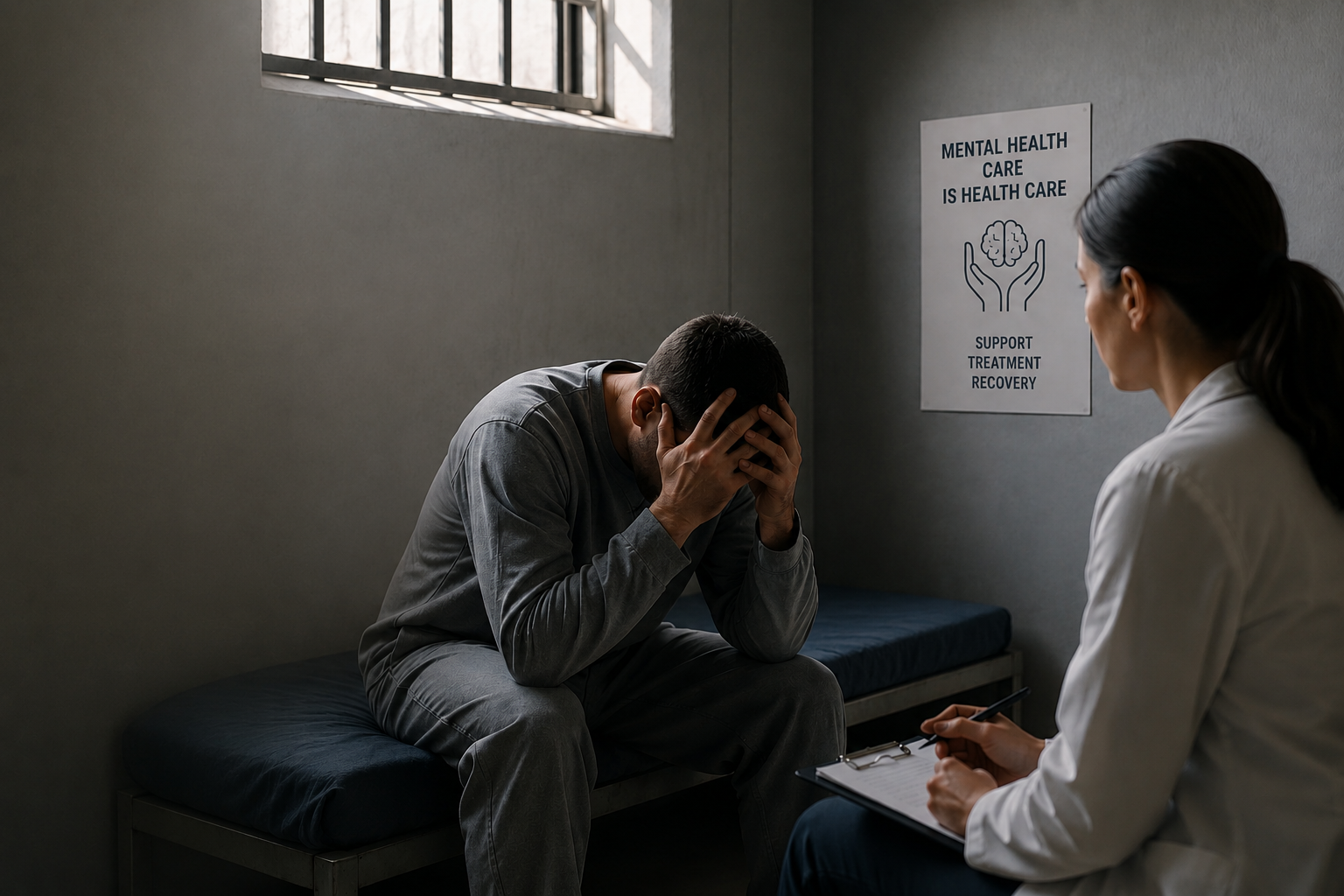

Forensic psychiatry specialist Dr. Chittahari Abhayanayaka highlights that prisoners’ mental health needs vary significantly depending on their stage in the legal process, particularly due to differences in uncertainty, structure, and expectations for the future. Recent deaths in prisons have renewed attention on the psychological well-being of inmates, emphasising the need for improved mental healthcare within correctional systems.
Prisons present a unique and highly stressful environment. Overcrowding, legal uncertainty, separation from family, substance abuse, violence, stigma, and the loss of freedom all contribute to mental health challenges far greater than those faced in the general population. Maintaining prisoners’ mental health is crucial not only for their well-being but also for prison staff, families, and society, as most inmates eventually reintegrate into communities.
Correctional psychiatry focuses on delivering mental healthcare within prisons. While the types of mental illnesses seen are similar to those in the general population, care must be adapted to a restrictive and regulated setting with safety concerns and limited resources.
Mental health conditions are significantly more common in prisons. Depression affects around 10.5% of inmates compared to 4% in the general population, while psychotic disorders occur in 3–4% of prisoners versus about 1% outside. Overall, about one in seven inmates has a severe mental illness. Substance use disorders are especially prevalent, affecting 30–70% of inmates, and are linked to a large proportion of offences. Anxiety, depression, personality disorders, and suicidal behaviour are also widespread, with about 27% of inmates showing some form of suicidal behaviour.
The overrepresentation of individuals with mental health issues in prisons is mainly linked to substance abuse, social inequality, weak legal support, and gaps in mental healthcare systems. Legal frameworks may also disproportionately affect vulnerable groups. Once incarcerated, harsh prison conditions further worsen mental health, especially in overcrowded systems.
Mental health needs differ across prisoner categories. Suspects often experience acute anxiety and fear due to uncertainty. Remand prisoners face ongoing stress from delayed legal proceedings and lack of routine, making them particularly vulnerable. Convicted prisoners benefit from structure but may experience hopelessness or institutionalisation. Death-row inmates face severe psychological distress due to prolonged uncertainty and the gravity of their situation.
Certain groups are especially vulnerable. Female prisoners often struggle with family separation and childcare concerns. Young prisoners face developmental challenges, while transgender and foreign inmates encounter stigma, isolation, and systemic barriers. All these factors increase psychological risk.
Providing proper mental healthcare is a state responsibility, as imprisonment should not remove basic rights. In fact, prisoners may require greater support because they cannot seek care independently. Improving prison health benefits wider society, as untreated issues—especially substance abuse—can persist after release, affecting families and communities.
Mental healthcare in prisons typically involves screening at admission, ongoing monitoring, and referrals to specialist services. Effective systems include clinical care (treatment and counselling), prevention (safe environments and early risk detection), and rehabilitation (education and reintegration programmes). Services should match community standards and be integrated with national healthcare systems.
Prison staff play a crucial frontline role in identifying mental health issues, as they observe inmates daily. Training in mental health awareness, suicide prevention, and de-escalation is essential. Suicide prevention requires continuous risk assessment, especially during high-risk periods such as sentencing or legal transitions.
However, professionals face challenges such as limited resources, lack of privacy, heavy workloads, and ethical tensions between care and security roles. Policy reforms should focus on ensuring equal healthcare standards, continuity of care, and stronger integration with national systems, with particular attention to mental health as a central element of prison healthcare.
*Summarised from a longer article published in The Morning)