
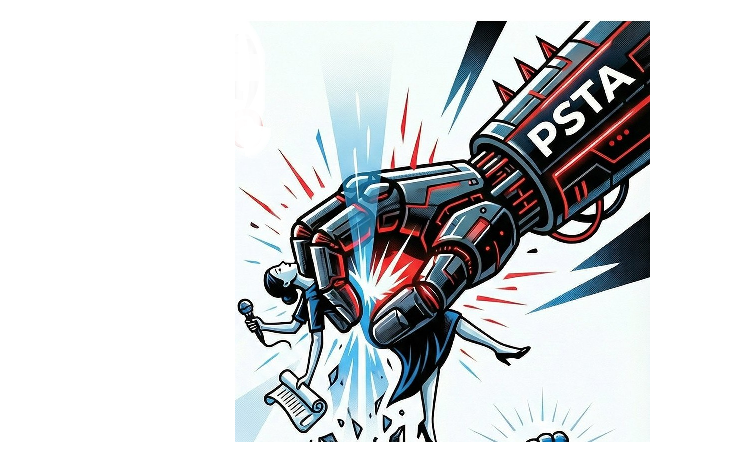

COLOMBO — In a much-anticipated ruling delivered by a three-judge bench comprising Chief Justice P. Padman Surasena, Justice Achala Wengappuli, and Justice Sampath B. Abayakoon, the Supreme Court of Sri Lanka has determined that the proposed “Protection of the State from Terrorism” (PST) Bill can be enacted into law with a simple majority in Parliament, subject to specific committee-stage amendments.
The ruling comes following numerous petitions filed by civil society organizations, trade unions, journalists, and legal experts—including the Centre for Policy Alternatives (CPA), the Bar Association of Sri Lanka (BASL), and several prominent human rights advocates—who warned that the legislation poses severe threats to fundamental rights, democratic dissent, and civic freedoms.
While the Supreme Court upheld the constitutionality of the Bill’s core framework—arguing it represents a “relaxed” approach compared to the notorious Prevention of Terrorism Act (PTA) of 1979 and incorporates crucial judicial oversight—human rights monitors and legal analysts maintain that the determination overlooks deeply entrenched systemic dangers regarding executive overreach.
Key Highlights of the Supreme Court Determination
1. Definition of Terrorism and Protests
Petitioners vehemently argued that the definition of “terrorism” under Clause 3 was excessively broad and vague, potentially criminalizing legitimate trade union actions, strikes, and public protests by categorizing them as attempts to “unduly compel a government”.
The Supreme Court dismissed these concerns, holding that petitioners had read individual clauses in isolation rather than considering the entire statutory architecture. The bench emphasized that a peaceful protester lacking the specific intent or knowledge to cause catastrophic consequences (such as death, grievous hurt, or massive economic sabotage) cannot be prosecuted under the definition. Furthermore, the Court pointed to Clause 3(4), which explicitly carves out protests, advocacy, dissent, and industrial action from forming a sufficient basis to infer terrorist intent.
2. Executive Detention vs. Judicial Oversight
Under the PTA, the executive minister could authorize administrative detention for up to 12 months. The PST Bill scales down initial executive detention to two months, requiring High Court approval for any extended detention.
The Supreme Court defended executive detention orders under Clause 27, ruling that they are subordinate to national security exigencies under Article 15(7) of the Constitution and are balanced by rigorous safeguards, including mandatory fortnightly production before a Magistrate, mandatory medical checks by Judicial Medical Officers (JMOs), and oversight by an Independent Review Committee.
3. Required Amendments at the Committee Stage
While upholding the rest of the Bill, the Supreme Court mandated four specific changes, which the Additional Solicitor General agreed to incorporate at the committee stage:
-
Clause 26(2): Clarifying that extended police custody (up to 24 hours) can only be authorized by a Magistrate on the specific application of a police officer.
-
Clause 59(5)(b): Shifting the judicial review forum for proscription orders from the Court of Appeal to the Supreme Court to ensure robust judicial oversight.
-
Clause 60(7): Striking down this subsection as superfluous, as higher appellate courts already possess inherent revisionary powers over Magistrate orders.
-
Clause 66(1): Redrafting the protection clause to explicitly clarify that only executive orders, directives, or directions can be questioned under specific constitutional articles.
Critical Human Rights Perspective: Core Concerns Remain Unaddressed
Despite the Court’s assurances that the PST Bill provides adequate checks and balances and serves as a milder successor to the PTA, human rights defenders and legal scholars have raised deep alarms over several provisions that survived judicial scrutiny:
-
The Specter of Vague Offenses: Critics argue that despite the inclusion of protective provisos, phrases associated with economic disruption, cyber infrastructure interference, and public safety under Clause 3 remain dangerously elastic. Civil society groups fear these definitions could still be weaponized against investigative journalism, labor strikes, and environmental activism.
-
Armed Forces and Coast Guard Arrest Powers: Under Clause 24, members of the armed forces and coast guard are empowered to conduct searches and arrests under “exceptional circumstances” and hold suspects for up to 24 hours before handing them over to police. Human rights advocates argue that embedding military personnel into civilian law enforcement roles fundamentally blurs the lines of accountability and increases the risk of custodial abuses.
-
Proscription of Organizations: Clause 59 grants the Executive the power to proscribe organizations based on “reasonable grounds” of engaging in offenses under the Act. Although the Supreme Court moved judicial review to the Supreme Court, critics note that the subjective threshold for banning political entities, student bodies, or trade unions places immense discretionary power in the hands of the Executive.
-
Compulsory Information Disclosure: Clause 15 penalizes individuals—with up to seven years in imprisonment or heavy fines—for failing to provide information or providing false information regarding suspected terrorist acts. While professional exemptions like attorney-client privilege are acknowledged, rights groups contend that the broad duty to inform creates a chilling effect within communities, forcing citizens into self-censorship out of fear of state prosecution.