
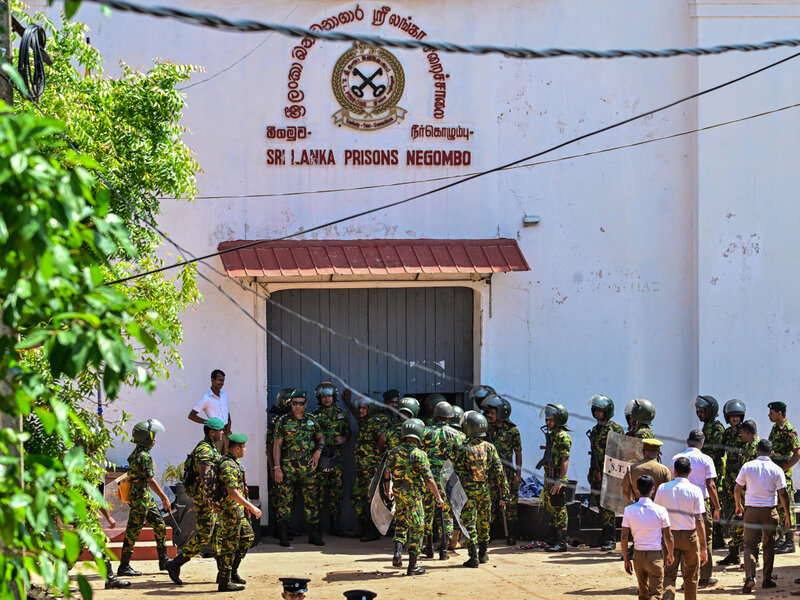

The German‑based human rights network Sri Lanka Advocacy (SLA) has issued a sharply worded statement expressing deep alarm over reports of torture, mistreatment and additional deaths following the 5 July 2026 prison revolt near Negombo, citing serious risks of impunity and violations of international human rights law.
According to the letter, at least 30 people — inmates and prison officers — were killed, and around 100 others injured, in what SLA describes as one of the gravest incidents in Sri Lanka’s recent penal history. The organisation notes that the uprising occurred against the backdrop of a long‑standing crisis in Sri Lanka’s prison system, marked by chronic overcrowding, staff shortages and poor detention conditions. The document highlights that 41,250 people are currently held in facilities built for roughly one‑quarter of that number, underscoring the structural pressures that contributed to the violence.
Reports of Torture and Evidence Tampering
SLA cites information from local human rights groups alleging severe torture, beatings and further deaths during the transfer of inmates to other detention facilities after the revolt. The letter warns of “indications of the destruction of evidence and obstruction of independent monitoring,” raising concerns that authorities may be preventing proper documentation of injuries and deaths.
One of the most serious allegations is that the Human Rights Commission of Sri Lanka (HRCSL) was initially denied access to affected prisons. SLA states that if confirmed, this would constitute a direct interference with the Commission’s legal mandate and significantly hinder impartial investigations.
“Should it be confirmed that independent oversight mechanisms were prevented from carrying out their legal mandate or that evidence was destroyed, this would severely impede clarification of the events and increase the risk of impunity,” the letter states.
Call for Independent Investigations
SLA emphasises Sri Lanka’s obligations under the International Covenant on Civil and Political Rights, which guarantees the right to life, physical integrity and protection from torture for all persons in state custody. The organisation urges authorities to immediately ensure the safety and medical care of all transferred detainees and to disclose information about their location and condition.
It calls for a “independent, effective and transparent investigation” into all deaths, allegations of torture, and possible extrajudicial killings, stressing that all responsible individuals — regardless of rank — must be held accountable through fair judicial processes.
Appeal to the German Government and International Community
The statement urges the German Federal Government to press Sri Lanka to:
- End all forms of torture and mistreatment in detention facilities
- Guarantee medical care and public information on the status of transferred prisoners
- Provide unrestricted access to HRCSL, the UN Special Rapporteur on Torture and other independent observers
- Secure all crime scenes, medical records and evidence
- Launch an independent investigation meeting international standards
SLA also calls on the UN, EU and member states to closely monitor developments and insist on Sri Lanka’s compliance with human rights obligations. It encourages Germany to offer technical and forensic assistance to ensure evidence‑based investigations.
Growing International Scrutiny
The incident adds to mounting concerns about Sri Lanka’s human rights trajectory, particularly regarding custodial deaths, prison conditions and the independence of oversight bodies. SLA’s intervention signals increasing international pressure on Colombo to ensure transparency and accountability in the aftermath of the Negombo prison revolt.
(Translated from a letter sent in German and written with the help of AI)