
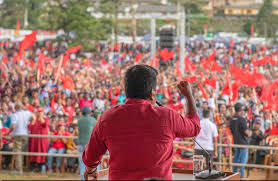

Sri Lanka’s opposition has taken President Anura Kumara Dissanayake’s May Day comments to the United Nations, alleging they amount to improper executive interference in an ongoing court case. Twenty‑four opposition MPs filed a formal complaint with the UN Human Rights Council’s Special Rapporteur on the Independence of Judges and Lawyers, arguing that the president’s public reference to a pending verdict and his call for supporters to applaud the outcome undermine judicial independence. The submission relies on both international standards and Sri Lanka’s own Constitution, which explicitly criminalises attempts to influence judges.
The complaint centres on remarks in which the president referenced a forthcoming court decision linked to a high‑profile corruption case involving former ambassador Udayanga Weeratunga. Opposition lawmakers argue that publicly anticipating outcomes and signalling political expectations creates pressure on judges, violates the separation of powers, and risks a chilling effect on judicial decision‑making. They have asked the UN Rapporteur to urgently engage the Sri Lankan government, seek clarification, and monitor developments around the scheduled verdict.
Earlier, the opposition had formally complained to the Chief Justice over remarks allegedly made by President Anura Kumara Dissanayake about a pending court case. Former minister G. L. Peiris said the president referred to the expected outcome during a May Day rally in Maharagama, before the verdict was delivered. He argued that such comments amount to interference in judicial proceedings, which is punishable under the law. The memorandum was jointly submitted by several opposition leaders, requesting the Chief Justice to consider the matter.
Domestically, the remarks have triggered sharp reactions from the Bar Association, lawyers’ groups, senior politicians, and former office‑holders, some of whom have labelled the comments contemptuous of court and constitutionally suspect. The government has rejected the accusations, insisting the president did not interfere with the judiciary and portraying the backlash as politically motivated. The controversy now threatens to complicate the government’s anti‑corruption narrative by raising questions about whether prosecutorial zeal has crossed into perceived executive pressure on the courts.