


8 May 2026
An international civilian activist mission known as the Global Sumud Flotilla has triggered renewed global debate over Israel’s naval blockade of Gaza after Israeli forces intercepted dozens of vessels in international waters late last month, detaining hundreds of activists and aid workers and prompting allegations of serious human rights violations.
Mission and Departure
The Global Sumud Flotilla—also referred to as Global Sumud—was organised as a large‑scale civilian initiative aimed at breaking Israel’s long‑standing naval blockade of the Gaza Strip, delivering humanitarian assistance, and drawing international attention to the humanitarian situation there.
The flotilla departed from Barcelona in mid‑April 2026, with additional vessels joining from ports including Sicily, Italy. Organisers said the mission involved more than 50 boats and hundreds of participants from multiple countries, comprising activists, medical personnel, lawyers, and journalists.
Interception in International Waters
On the night of 29–30 April 2026, Israeli naval forces intercepted approximately 22 vessels in international waters near Crete, hundreds of nautical miles from Gaza, according to flotilla organisers, human rights groups, and media reports.
Activists reported that Israeli forces used speedboats, jammed communications, disabled engines on some vessels, and boarded ships at sea. Israel’s Foreign Ministry confirmed it had detained between 175 and 186 activists from more than 20 boats, stating the vessels were being redirected to Israeli ports, including Ashdod, as part of the enforcement of its naval blockade.
Most detainees were later released or transferred to Greece. However, the operation drew swift condemnation from flotilla organisers, Amnesty International, and several governments, who described the interception as unlawful.
Legal Dispute Over Blockade Enforcement
At the centre of the controversy is a legal dispute over Israel’s right to enforce its blockade far from Gaza’s coastline.
Critics—including flotilla organisers, Amnesty International, legal experts quoted by Al Jazeera, and governments such as Spain and Brazil—have argued that intercepting civilian vessels in international waters constitutes an illegal act, describing it as “piracy” or abduction and a violation of freedom of navigation under international law.
Israel maintains that the blockade is legal and that it has the right to enforce it on the high seas to prevent what it describes as material support reaching Hamas or other armed groups in Gaza. Israeli officials have cited similar interceptions of flotillas in previous years as precedent.
Allegations of Abuse in Detention
Following their release, several former detainees and flotilla representatives alleged that physical and psychological abuse occurred during boarding operations and initial detention by Israeli forces.
According to testimonies and statements published by flotilla organisers and rights groups, activists reported being beaten, dragged, kicked, including strikes to the genitals, with some sustaining injuries such as concussions. Others described being stripped, blindfolded, placed in stress positions, exposed to cold conditions, deprived of food, and subjected to psychological intimidation.
More serious allegations include claims of sexual violence and sexual humiliation, including anal penetration with objects, genital assaults, and forced stripping. These allegations have been cited in flotilla press releases and activist testimonies, though independent verification of each individual claim remains limited as of early May 2026.
Human rights organisations note that the claims echo long‑standing allegations documented by Palestinian detainees and international groups regarding abuse in Israeli detention facilities, including the use of threats, sexual violence, and attack dogs. Israeli authorities have not publicly responded in detail to the flotilla‑specific allegations.
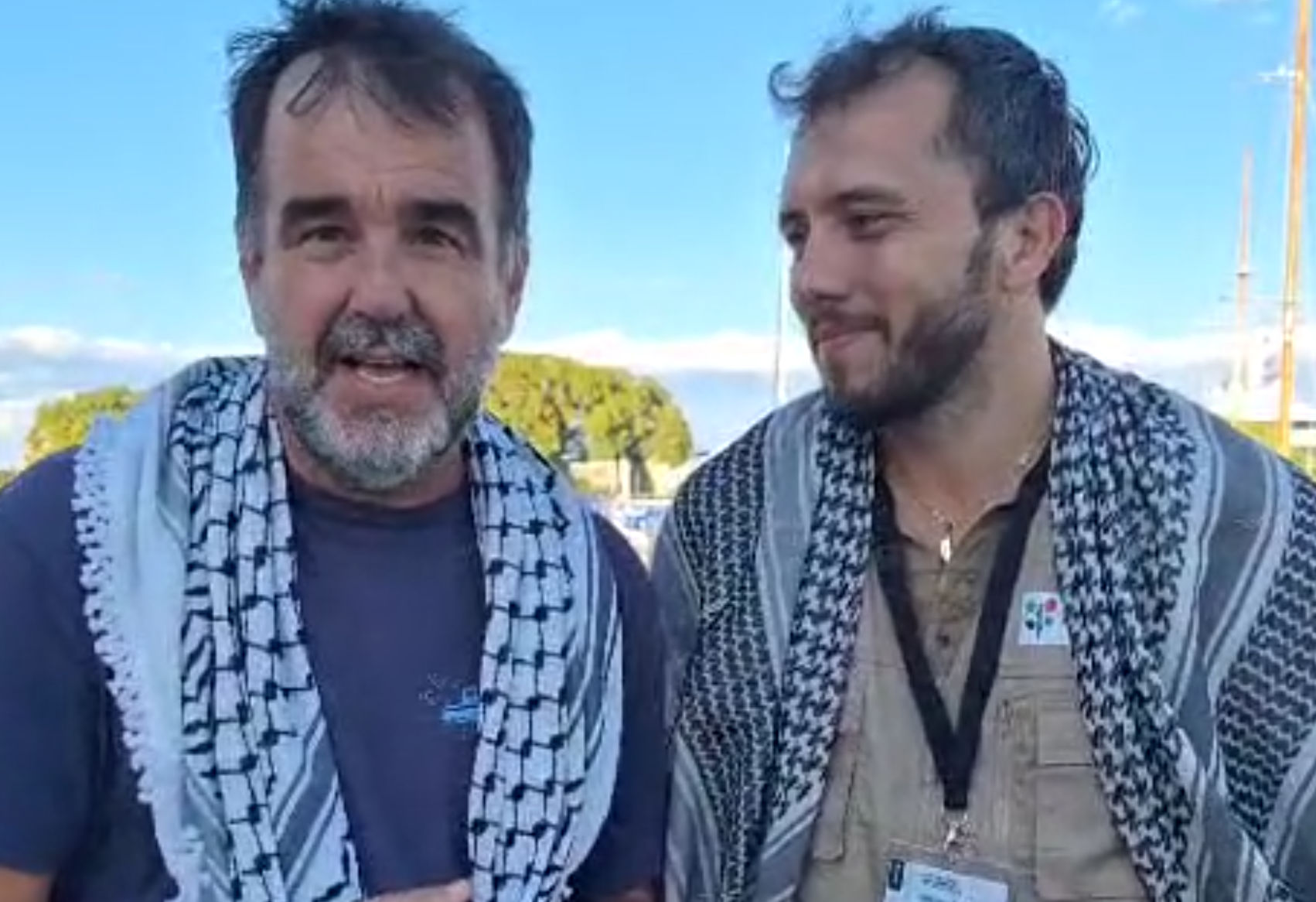
Two Activists Still Detained
While most participants were released, two prominent flotilla organisers remain in Israeli custody without formal charges:
- Thiago Ávila, a Brazilian activist
- Saif Abu Keshek, a Spanish‑Palestinian‑Swedish activist
Both are being held at Shikma Prison in Ashkelon (Askalan). Lawyers representing them and statements from rights organisations allege the men were held in isolation, blindfolded during transfers, subjected to beatings and threats—including threats involving family members—and denied adequate legal process.
Both men began hunger strikes in detention. Abu Keshek later escalated to a dry hunger strike, refusing water, sparking concerns over his health amid reports of low blood sugar and exhaustion. Israeli courts have repeatedly extended their detention, with custody reportedly extended into mid‑May.
Ávila’s mother died on 5 May 2026 while he was detained; his legal team says he was not informed promptly of her death.
Legal advocacy group Adalah, along with consular representatives—including the Swedish embassy—have raised concerns regarding due process and detainee welfare. Calls for the pair’s release have come from the United Nations Human Rights Office, Amnesty International, Brazil’s President Luiz Inácio Lula da Silva, Spain, and other international actors, who have described their detention as arbitrary.
Ongoing Developments
Pro‑flotilla groups continue to denounce the interception as a violation of international law and have called for independent investigations and accountability. Organisers say further missions are planned, including vessels assembling in Türkiye in early May, as part of continued efforts to challenge the Gaza blockade.
Israel, meanwhile, has reiterated that it will continue enforcing the naval blockade, citing security concerns and past precedents. The episode has once again underscored sharply polarised global reactions, with strong backing for the flotilla among pro‑Palestinian groups and human rights organisations, and firm support for Israel’s actions from its allies.
As of 8 May 2026, the situation remains fluid, with hunger strikes, legal appeals, diplomatic pressure, and further flotilla activity ongoing. Independent investigations into the interception and allegations of abuse may take months to materialise.