
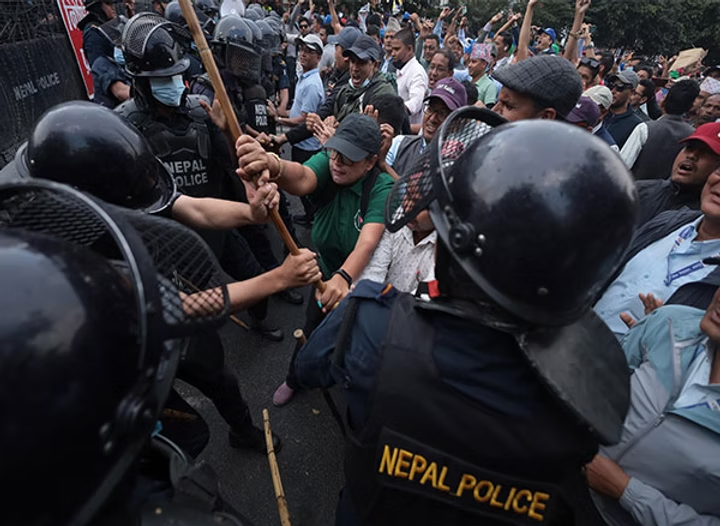

Kathmandu — Nepal’s former Prime Minister KP Sharma Ol iwas arrested on Friday in connection with a deadly security crackdown on pro‑democracy demonstrators more than two decades ago, marking one of the most high‑profile detentions in the country’s long‑delayed quest for accountability.
Police confirmed that the former leader was taken into custody following an arrest warrant issued by the Kathmandu District Court. The charges relate to the 2003 suppression of protests in the southern district of Kailali, where security forces opened fire on demonstrators demanding political reforms. At least five people were killed and dozens injured.
A rare move against a senior political figure
The arrest is being seen as a significant moment in Nepal’s post‑conflict justice landscape, where powerful political and military figures have long avoided prosecution for abuses committed during the civil war and the turbulent years that followed.
Human rights groups welcomed the move, calling it a “long overdue step toward accountability.”
“For years, victims and families have waited for justice. This arrest shows that no one should be above the law,” said a representative of a Kathmandu‑based rights organisation.
Former PM denies wrongdoing
The former prime minister, who led the government during a period of intense political unrest, has repeatedly denied ordering the use of lethal force. His party condemned the arrest as “politically motivated,” accusing rivals of weaponising the justice system ahead of upcoming elections.
Supporters gathered outside the police headquarters in Kathmandu, chanting slogans and demanding his immediate release.
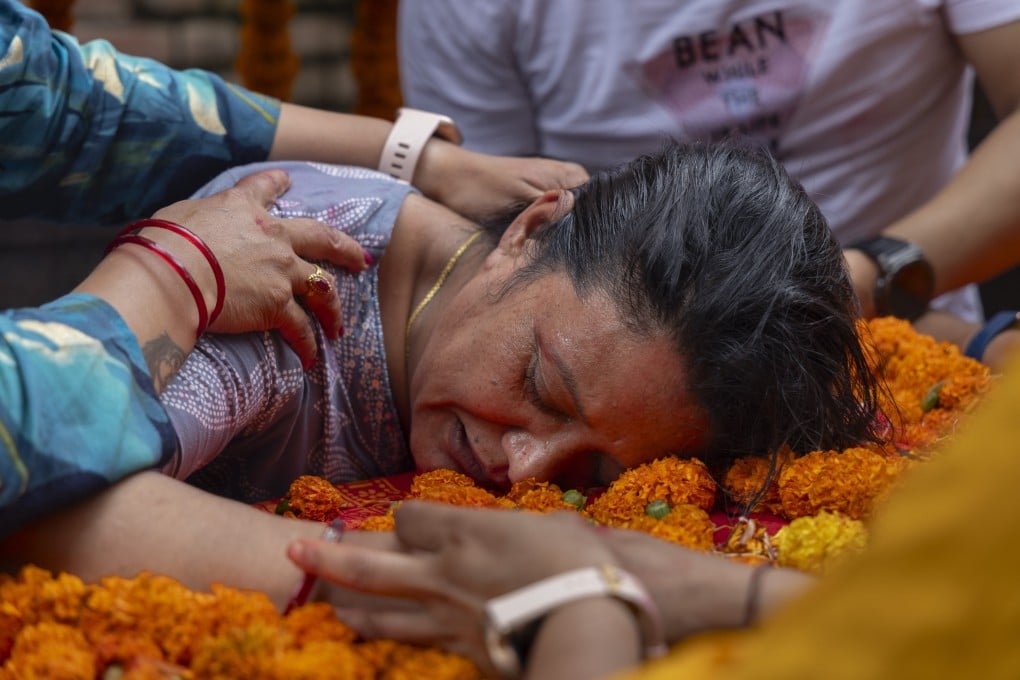
Victims’ families express cautious hope
Relatives of those killed in the 2003 crackdown said the arrest offered a rare moment of hope in a country where transitional justice mechanisms have stalled for years.
“We have waited 21 years. Maybe now the truth will finally come out,” said the brother of one victim.
A test for Nepal’s justice system
Legal experts say the case will test Nepal’s willingness to confront past abuses, especially as many senior political figures were themselves involved in the conflict era.
The government has not commented on whether additional arrests are expected.
If convicted, the former prime minister could face charges ranging from abuse of authority to homicide, though legal proceedings in Nepal often move slowly.
Broader implications
Analysts say the arrest could reshape political alliances and intensify debate over the country’s stalled transitional justice process, which has faced criticism from both domestic activists and international observers.
For now, the former leader remains in police custody as investigators prepare to present him before the court.
r.