
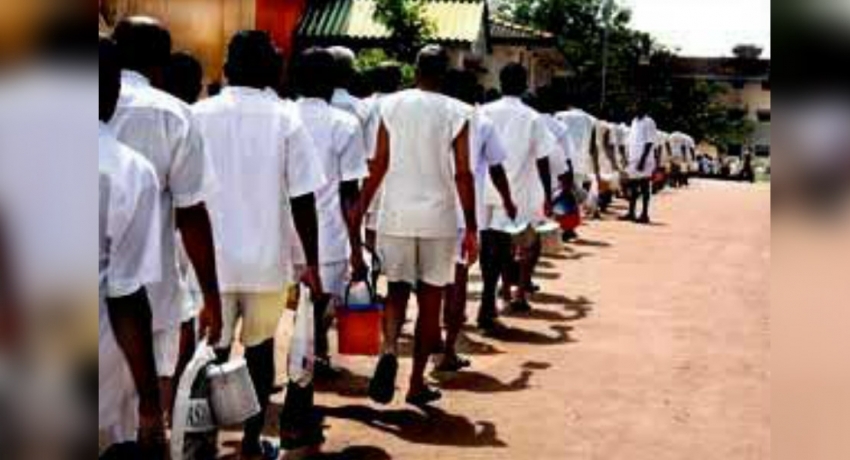

Colombo, 15 June 2026 — A detailed submission to the United Nations Subcommittee on Prevention of Torture (SPT) has raised serious concerns about systemic abuse, overcrowding, and lack of accountability within Sri Lanka’s prison and detention system.
The report, submitted by the Committee for Protecting Rights of Prisoners (CPRP), alleges that torture, degrading treatment, and institutional neglect remain entrenched across both civilian and military-run detention facilities.
Outdated Laws and Unequal Treatment
According to the submission, Sri Lanka’s prison system continues to operate under the Prison Ordinance of 1877, a colonial-era law criticised for prioritising punishment over rehabilitation. The report claims the law is not publicly accessible, limiting transparency and informed debate.
The document also highlights disparities in treatment, alleging that prisoners with political connections or privileged backgrounds receive better conditions, including improved accommodation and food, compared to others.
Severe Overcrowding and Inhumane Living Conditions
One of the report’s most alarming findings is the severe overcrowding in prisons:
- National capacity is exceeded by 286.6%, with some facilities surpassing 300% occupancy.
- Prisoners are often confined to as little as 1.2 square metres of space, far below international standards.
- In certain facilities, inmates are forced to sleep in shifts or even near toilets due to lack of space.
Unsanitary conditions are widespread, with reports of shared, non-functional toilets and prisoners forced to use buckets or plastic bags at night.
A significant proportion of detainees — more than 65% — are remand prisoners awaiting trial, contributing to chronic overcrowding.
Torture and Ill-Treatment Allegations
The submission describes torture as a “systemic element” within detention facilities. Alleged methods include:
- Severe beatings using improvised weapons
- Waterboarding and suffocation techniques
- Suspension of detainees upside down
- Sensory deprivation and sexual abuse
The report also claims that invasive body cavity searches are conducted by non-medical staff, including military personnel, raising serious human rights concerns.
Military Involvement in Detention Centres
A key concern raised is the role of the military in operating detention facilities, including centres within Welisara Navy Camp, Boossa Prison, and Mullaitivu detention sites.
The report alleges that:
- Military and Special Task Force (STF) personnel exercise effective control over detainees.
- Prison officers often lack real authority in these locations.
- Detainees may be concealed from inspection visits to hide evidence of abuse.
There are also claims of harassment of lawyers and family members, including intimidation and invasive searches.
Custodial Deaths and Lack of Accountability
The report points to a troubling number of deaths in custody:
- At least 173 deaths between January 2024 and May 2025
- 184 deaths recorded in 2024 alone
Recent incidents include deaths in police custody, prisons, and shootings involving law enforcement officers.
The document criticises what it describes as “institutionalised impunity”, citing cases where prosecutions were not pursued despite serious allegations.
Health Crisis in Prisons
The report highlights major deficiencies in healthcare:
- Tuberculosis rates reportedly 100 times higher than in the general population
- Severe shortages of medical staff
- Widespread mental health issues affecting inmates
Female prisoners are reported to lack access to basic hygiene products, such as sanitary napkins.
Cases of Disappearance and Abuse
The submission details cases of alleged enforced disappearances, including the abduction and detention of individuals by security forces. One documented case involved prolonged incommunicado detention, physical abuse, and coercion.
Despite formal complaints, the report claims authorities failed to pursue meaningful legal action, prompting legal challenges seeking court intervention.
Recommendations to the United Nations
The CPRP has called on the UN Subcommittee to take urgent action, including:
- Conducting unannounced inspections of detention facilities
- Pressuring Sri Lanka to reform outdated prison laws
- Ending torture and ensuring independent investigations into custodial deaths
- Expanding oversight by human rights mechanisms
- Introducing alternatives to detention for minor offences
- Reducing reliance on remand detention and improving bail conditions