
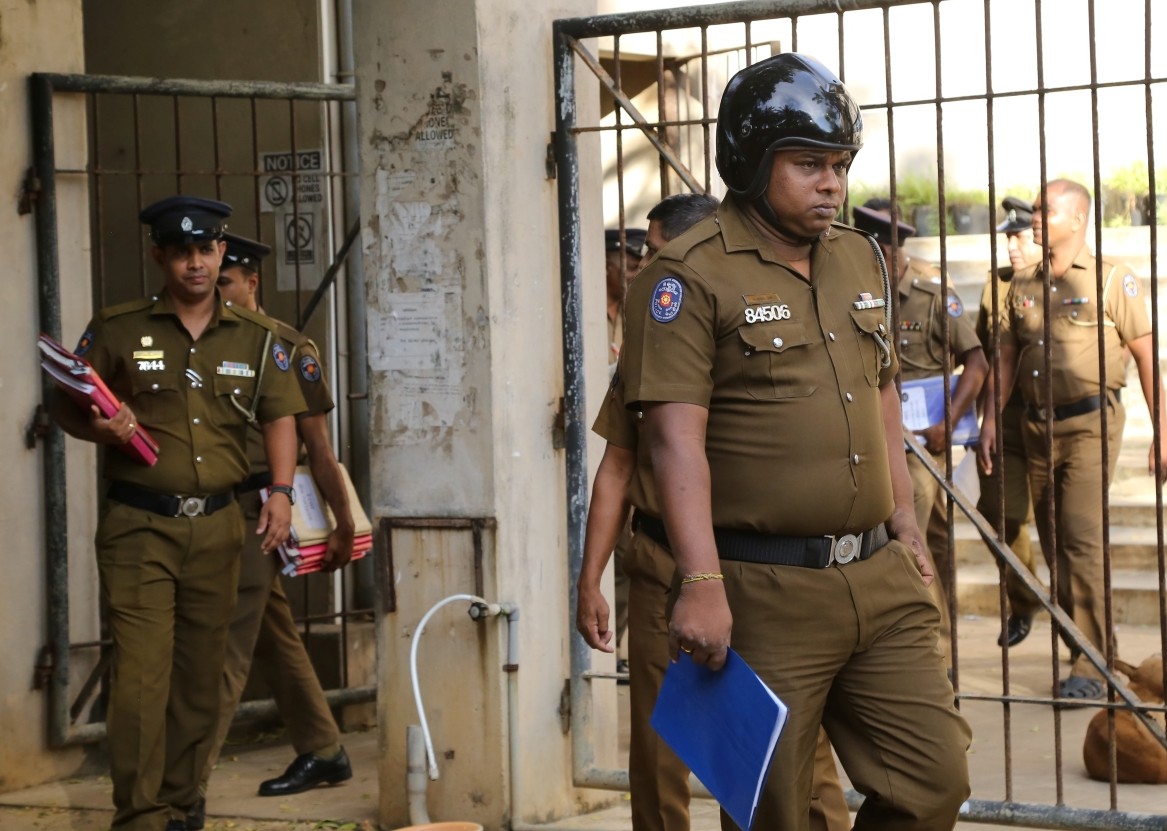

The Police Media Spokesman, ASP F.U. Wootler, announced that decisive legal measures will be taken against individuals spreading false or misleading information during the state of emergency currently in force across Sri Lanka.
In his statement, ASP Wootler explained that the President declared the state of emergency to safeguard citizens and maintain essential services. He emphasised that the government’s priority is public security and stability during this critical period.
A special unit within the Criminal Investigation Department (CID) has already flagged 57 cases involving rumours, fabricated statements, and malicious content designed to erode public confidence and disrupt emergency operations. “Our monitoring desk has identified 57 instances of harmful misinformation targeting the government’s efforts,” Wootler noted.
Under Section 20 of the Gazette Extraordinary, such acts are considered serious offences. The regulation explicitly prohibits the communication or dissemination of any false statement likely to cause public alarm or disorder, whether through spoken word, print, digital platforms, or emerging technologies like AI.
Quoting the Gazette, Wootler reiterated:
“No person shall, by any means whatsoever, communicate, publish, disseminate, or generate any rumour or false statement which is likely to cause public alarm or disorder.”
He confirmed that the CID will pursue firm legal action against offenders. “We will act decisively against those responsible,” he warned.
However, this crackdown raises an important question of how to protect public order without undermining press freedom? In times of crisis, accurate information is vital—but so is the role of independent media in holding authorities accountable. While the government seeks to curb harmful misinformation, it must ensure that legitimate journalism and critical reporting are not stifled under the guise of emergency powers.
ASP Wootler urged citizens to exercise caution and responsibility when sharing information, highlighting the need for unity and cooperation. Yet, observers stress that transparency and respect for press freedom remain essential to prevent overreach and maintain public trust during emergencies.
( With the inputs from adaderana)