

SriLanka Brief/ 16 Sep 2026.
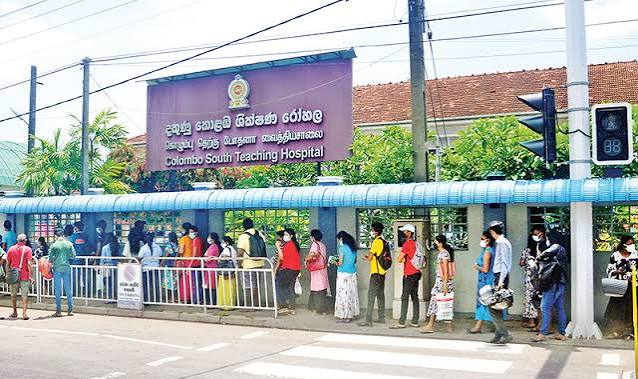
The Sri Lankan Government, led by President Anura Kumara Dissanayake, has unveiled an ambitious plan to restructure the country’s healthcare system through a family doctor-based primary healthcare model. The reform aims to reduce congestion at major hospitals by introducing a referral system, under which patients would first consult a designated family doctor and obtain a recommendation before accessing secondary or tertiary hospitals.
At the centre of the reform is the creation of 1,000 new Arogya Health and Wellness Centres over the next three years. Together with approximately 1,000 existing primary healthcare institutions, the Government seeks to build a nationwide network of around 2,000 primary care facilities. Each facility will serve a population of roughly 10,000 people and provide access to a family doctor and a healthcare team.
According to the Health Ministry, the programme, known as Project Aarogya, will be funded through Government budget allocations amounting to Rs. 15.5 billion this year, supplemented by US$ 150 million from the World Bank. Eighty percent of the planned centres will be developed from existing clinics, while only 20 percent will require new buildings. The rollout is scheduled in phases: 300 centres in the first year, 400 in the second, and 300 in the third.
A major objective of the reform is the early detection and prevention of non-communicable diseases (NCDs). The Government plans to conduct annual screenings for diabetes, hypertension and certain cancers, while expanding services such as mental health care, rehabilitation, eye care and palliative care. Officials argue that the current system encourages unnecessary hospital visits, with around 80 million outpatient consultations recorded annually for a population of 22 million.
However, despite broad support for strengthening primary healthcare, several loopholes and practical concerns have emerged.
First, critics question whether Sri Lanka’s existing healthcare system is sufficiently prepared for a strict referral model. Rural communities often face transport difficulties and limited healthcare access. Requiring patients to obtain referrals before seeking specialist care could create delays, particularly for those living far from primary care centres.
Second, healthcare professionals point to medicine shortages and inadequate resources in many government hospitals. Critics argue that directing more patients toward primary care facilities will succeed only if those facilities are consistently stocked with medicines and diagnostic equipment.
Third, the Government claims that the existing workforce is largely sufficient, with only limited recruitment needed. However, questions remain about whether there are enough doctors, nurses and support staff to provide quality care for every 10,000 people while maintaining services at hospitals.
Fourth, there is concern that the model draws heavily from systems used in countries such as the UK and Australia without fully accounting for Sri Lanka’s unique realities, including tropical disease burdens, poverty-related health challenges and dependence on both public and private healthcare.
Doctors have also warned that public awareness and behavioural change are essential. Patients are accustomed to directly accessing hospitals, and abrupt restrictions could generate public dissatisfaction or reduce access to timely care.
Politically, the proposal has sparked controversy. Opposition leaders argue that requiring referrals appears inconsistent with President Dissanayake’s earlier position that unrestricted access to healthcare is a fundamental right. The Government rejects this criticism, insisting that the reforms are designed not to limit care but to improve preventive services and reduce inefficiencies.
Overall, the healthcare overhaul represents one of the most significant health sector reforms proposed in recent decades. While its focus on preventive care, family medicine and better patient management is widely regarded as a positive step, its success will depend on addressing longstanding weaknesses in staffing, medicine availability, infrastructure, rural accessibility and public confidence before restricting direct access to hospitals.