
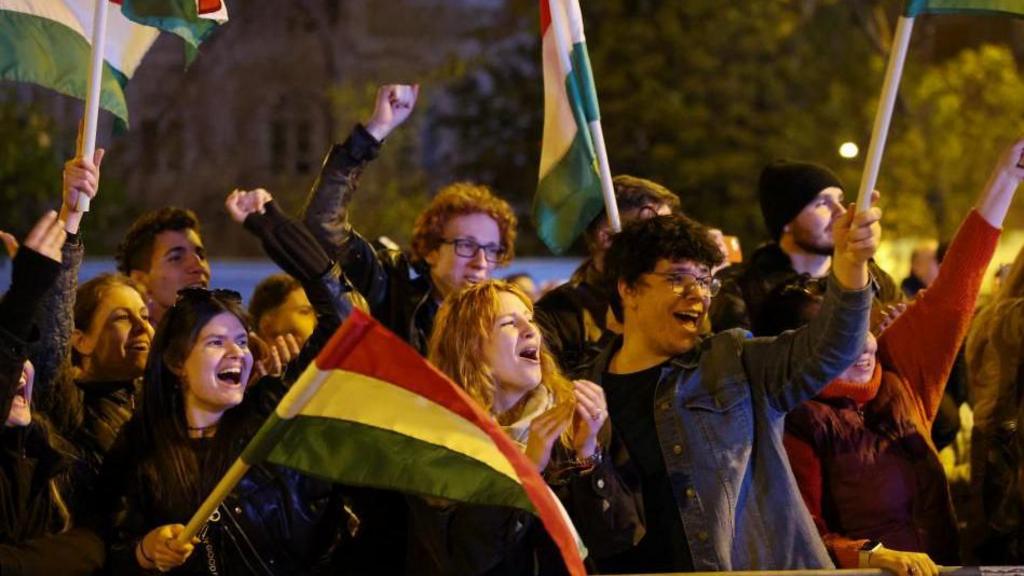

Based on the election results from April 12, 2026, Viktor Orbán has conceded defeat after 16 years in power, meaning the very public support he received from Donald Trump and Benjamin Netanyahu was ultimately not enough to secure him another term.
The Election Results: A Decisive Shift
The election ended with a decisive victory for the center-right opposition, marking a major shift in Hungarian politics.
The Winner Péter Magyar’s Tisza party won a landslide victory. With 52% of the vote, they are projected to secure 135 seats in the 199-member parliament, which is more than the 134 needed for a two-thirds majority.
The Loser Viktor Orbán’s Fidesz party suffered a painful defeat, securing only 38% of the vote and an estimated 57 seats. Orbán publicly conceded, calling the result “painful” and congratulating his opponent.
The election saw a record voter turnout of 77.8%, the highest in Hungary’s post-Communist history, indicating strong public desire for change.
The Role of Trump and Netanyahu’s Support
The campaign was heavily internationalized, with Trump and Netanyahu acting as Orbán’s most prominent foreign backers. Their support, however, failed to resonate with Hungarian voters who were focused on local issues.
Both leaders went to significant lengths to endorse Orbán. Netanyahu called him a “warm” supporter of Israel and a leader who provides “safety, security, stability”. Meanwhile, Trump promised to use the “full economic might of the United States to strengthen Hungary’s economy” if Orbán were re-elected. US Vice President JD Vance even traveled to Budapest to campaign for Orbán, stating his aim was to “help” him win.
While these endorsements were meant to bolster Orbán’s image, analysts point to a few key reasons they ultimately didn’t work. After 16 years in power, many Hungarians were simply weary of the status quo. The main drivers for voters were domestic issues like economic stagnation, soaring living costs, and widespread corruption within Orbán’s inner circle.
Orbán’s campaign heavily focused on fear, warning voters that his opponent would drag Hungary into the war in Ukraine. In contrast, Magyar’s campaign centered on hope, anti-corruption, and repairing ties with the European Union, a message that resonated with a broader electorate.

What This Means for Israel and the US
The election result is a setback for the foreign policy interests of both Netanyahu and Trump, as Hungary is expected to pivot back toward the European mainstream.
Hungary has been Israel’s strongest ally in the EU, often blocking joint statements and sanctions against it. This reliable support is now at risk. While Israel will not lose Hungary as a friend entirely, a Magyar-led government is expected to be more cooperative with the EU. For instance, Magyar is likely to reverse Orbán’s withdrawal from the International Criminal Court (ICC), a move specifically aimed at protecting Netanyahu from an arrest warrant.
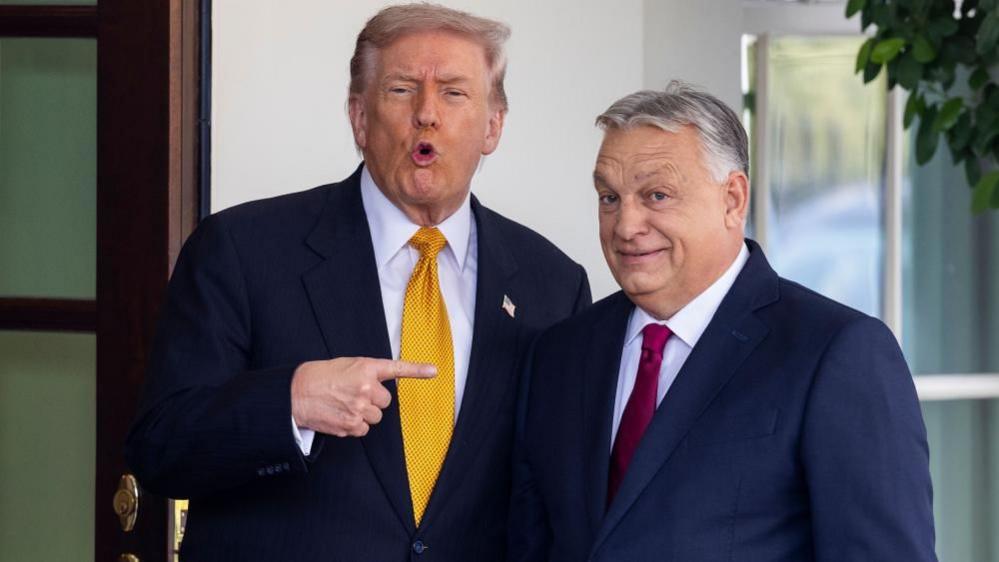
Defeat For the US and Trump
Orbán was seen as a key ally and a model for the “illiberal democracy” praised by Trump’s MAGA movement. His defeat is a blow to that faction’s influence in Europe. Furthermore, Trump’s specific economic promises to Hungary are now void, and the new government will likely align more closely with EU policies, including those on the war in Ukraine that Trump has opposed.
In short, despite a full-court press from high-profile international allies, Hungarian voters chose a new direction based on internal economic and democratic concerns.