

The coordinated military strike by the United States and Israel on Iranian strategic assets on February 28, 2026 has triggered a geopolitical shock with far‑reaching consequences for Sri Lanka, a country still recovering from its 2022 economic collapse. Though geographically distant, Sri Lanka is deeply exposed to Middle Eastern instability through energy dependence, trade links, labour migration, remittances, and tourism. The conflict risks undoing the fragile economic stability Sri Lanka has only recently begun to regain.
1. Escalation in the Middle East: A Systemic Shock
The conflict marks an unprecedented escalation. Under “Operation Epic Fury” (US) and “Roaring Lion” (Israel), strikes reportedly targeted Iranian nuclear facilities, missile infrastructure, and political leadership across cities including Tehran, Isfahan, and Qom. Iran retaliated with ballistic missiles and drones, striking Israel and US-linked assets across the Gulf, including Kuwait, Qatar, Bahrain, Saudi Arabia, and the UAE.
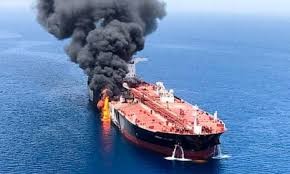
The situation worsened dramatically with the effective closure of the Strait of Hormuz, through which around 20% of global oil supply flows. Airspace closures and attacks near major Gulf airports disrupted global transport and trade. For Sri Lanka, this represents a “system shock”, threatening energy security, trade flows, and the safety of over 1.5 million expatriate workers.
2. Rising Oil Prices and Inflation Risks
The most immediate impact on Sri Lanka is through energy prices. Brent crude surged past US$90 per barrel, adding a geopolitical risk premium to already volatile markets. Although a fuel price hike announced on February 28 followed Sri Lanka’s pricing formula, it intensified public anxiety and led to queues at fuel stations.
Sri Lanka remains heavily reliant on Middle Eastern crude for its Sapugaskanda refinery, despite diversifying refined fuel imports. Any prolonged disruption to Hormuz could halt refinery operations within weeks once reserves are depleted. Even with claimed fuel stocks of about 37 days, future shipments will be significantly costlier.
Higher fuel costs cascade across the economy:
- Transport costs rise, pushing up food prices
- Electricity tariff reductions are threatened
- Non-food inflation, already rising to 2.3% in February, risks accelerating
- Overall price stability (headline inflation was 1.6%) is endangered
3. Trade and Export Disruptions
Sri Lanka’s export-led recovery is under strain. The Middle East is both a key export market and a critical import source, making disruptions especially damaging.
Tea Exports
- Iran, Iraq, and the UAE are major buyers of Sri Lankan low-grown tea
- Currency collapse in Iran and banking disruptions have frozen new orders
- A market contraction would sharply hit smallholder tea farmers, with no quick alternative markets available
Shipping and Logistics
- War risk surcharges and rerouting via the Cape of Good Hope add 10–14 days to shipping times
- Apparel and rubber exports to Europe and the US become less competitive due to delays and higher freight costs
Industrial Inputs
- Imports of bitumen and petroleum-based chemicals from the UAE are at risk
- Infrastructure projects and road maintenance could stall, straining public finances
4. Labour Markets Under Threat
The Gulf has long acted as Sri Lanka’s employment safety valve, absorbing nearly 200,000 workers annually. Over 1.5 million Sri Lankans currently work in GCC countries.
A widening conflict could:
- Trigger hiring freezes as Gulf governments divert spending to defense
- Collapse new overseas job opportunities
- Push unemployed youth into an already fragile domestic job market
If evacuations become necessary, Sri Lanka would face:
- A sudden influx of returning workers
- Limited capacity to absorb skilled labour in construction and hospitality
- Heightened social frustration and instability, particularly among youth
5. Remittances: The Biggest Vulnerability
Remittances are the single most important source of foreign exchange, exceeding US$8 billion in 2025. They support household incomes, stabilize the rupee, and underpin foreign reserves.
A major escalation would:
- Sever or sharply reduce monthly remittance inflows
- Force costly mass evacuations of workers
- Weaken the rupee, making fuel, food, and medicine more expensive
- Undermine Sri Lanka’s IMF-backed debt restructuring by eroding reserves
- Risk delays in IMF tranche releases and renewed default pressures
The loss of remittances would be both an economic and humanitarian crisis, hitting millions of families directly.
6. Tourism at Risk
Tourism, now a primary driver of recovery, faces serious headwinds:
- Over 60% of high-spending Western tourists transit through Gulf hubs
- Flight suspensions and airspace closures disrupt connectivity
- Middle Eastern tourists, a key luxury segment, are likely to stay home
Even without direct danger, perception matters. Western travelers often see the Middle East and Indian Ocean as a single risk zone, leading to cancellations despite Sri Lanka’s physical safety. A tourism slowdown would immediately cut foreign exchange inflows and hurt employment in hotels, transport, and services.
7. Broader Economic Slowdown
The Middle East conflict acts as a tax on Sri Lanka’s recovery:
- Import costs rise while foreign exchange inflows shrink
- Pressure mounts on the rupee and cost of living
- High interest rates persist to counter imported inflation, discouraging investment
- Foreign investors may delay or withdraw amid regional instability
Longer term, disruptions to the Indian Ocean Trade Corridor threaten Sri Lanka’s ambition as a maritime and logistics hub. Persistent delays and higher costs could permanently erode competitiveness.
Conclusion: Recovery Under Siege
Sri Lanka has entered a defensive phase. The government cannot control events in the Middle East, but its ability to manage secondary shocks—prices, currency stability, and livelihoods—will define the year ahead. Just as living standards were stabilizing, they are again under threat.
The crisis tests the government’s promise of “system change” against an external system shock. Until diplomacy prevails, Sri Lanka’s hard‑won recovery remains vulnerable, demanding cautious policymaking, fiscal discipline, and national resilience.
AI generated summary of a longer article published on Economy Next