
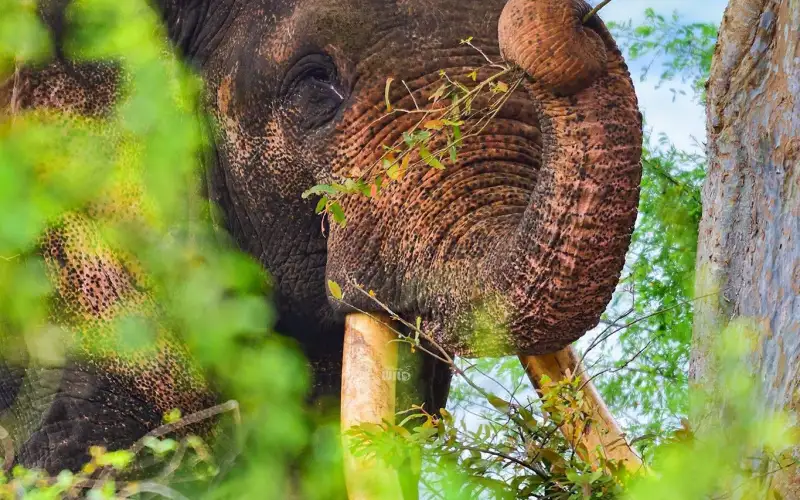

This article is both a tribute to Kavanthissa, one of Sri Lanka’s largest and most famous wild tuskers, and a call for accountability regarding his death. Kavanthissa died on 16 October 2026 after suffering from a gunshot-related leg injury and a prolonged illness that lasted nearly three weeks.
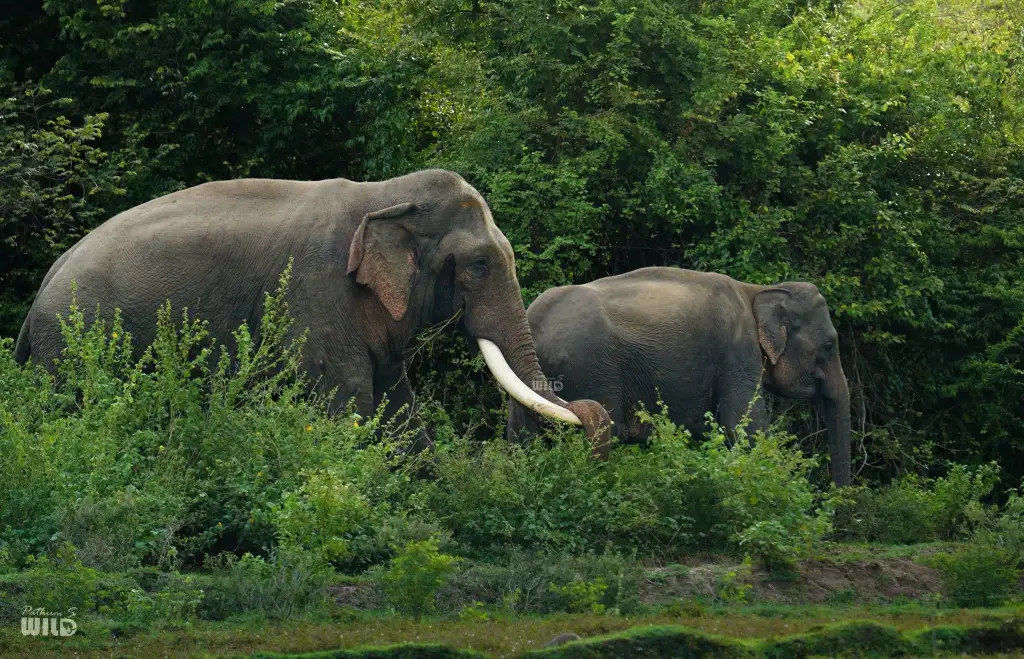
The question is not only how Kavanthissa died, but whether Sri Lanka’s wildlife conservation institutions had the scientific capacity, veterinary expertise, and emergency response systems necessary to save such a rare and nationally significant animal. In a lengthy article, rights activist Tharindu Uduwaragedara calls for an independent investigation into both the cause of death and the quality of treatment provided.
A detailed timeline shows that Kavanthissa was first observed limping on 21 September, received veterinary treatment from 24 September, and appeared to improve before his condition worsened again in early October. Critics, including environmental activists, have raised concerns about possible shortcomings in diagnosis, treatment, monitoring, and management of the case. These allegations remain disputed and the article stresses the need for an objective inquiry.
It is necessary to place Kavanthissa’s death within a broader pattern of elephant losses in Sri Lanka. The activist, Uduwaragedara, recalls other well-known elephants such as Bathiya, Dalaputtuwa, Chandi, and Kathira Dala, whose deaths similarly exposed weaknesses in wildlife protection and conservation systems.
Key Figures on Elephant Mortality
A central point is the severity of Sri Lanka’s human-elephant conflict.
According to figures cited from a Reuters report published on 14 October 2026:
- Since 2019, Sri Lanka has lost an average of 402 elephants every year due to human-elephant conflict.
- On average, 138 people are also killed annually in such conflicts.
- In 2023 alone, the country recorded 488 elephant deaths, one of the highest figures reported.
Uduwaragedara further notes that approximately 70% of Sri Lanka’s wild elephants live outside protected areas, increasing their exposure to farms, villages, roads, electric fences, gunfire, and other human-related threats.
Main Message
The public mourning for Kavanthissa should lead to concrete reforms rather than symbolic gestures. Recommendations include:
- An independent veterinary investigation into Kavanthissa’s death.
- A review of all treatment decisions made between September and October 2026.
- National treatment protocols for injured wild elephants.
- Better-equipped wildlife veterinary units.
- Scientific monitoring of rare tuskers.
- Stronger action against illegal shootings, trap guns, and electrification.
- Protection of elephant corridors and habitats.
- A whole-of-government strategy to address human-elephant conflict.
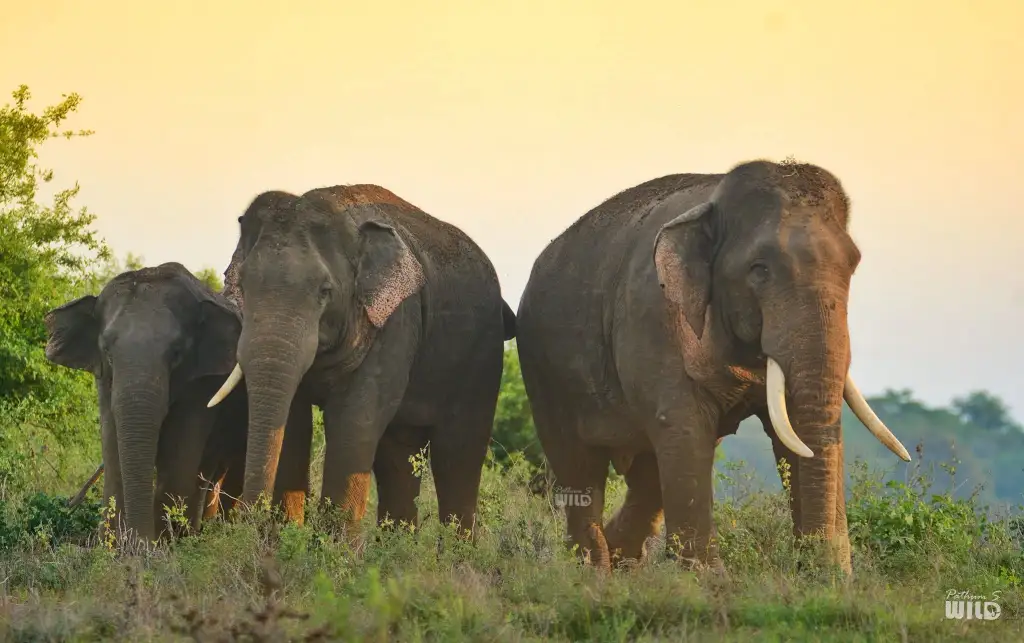
The article concludes that the best way to honour Kavanthissa is not through memorials, but by ensuring that Sri Lanka’s remaining iconic elephants, such as Agbo, Mahasen, and others, have safe habitats, secure migration routes, clean water sources, and access to effective veterinary care when injured.