
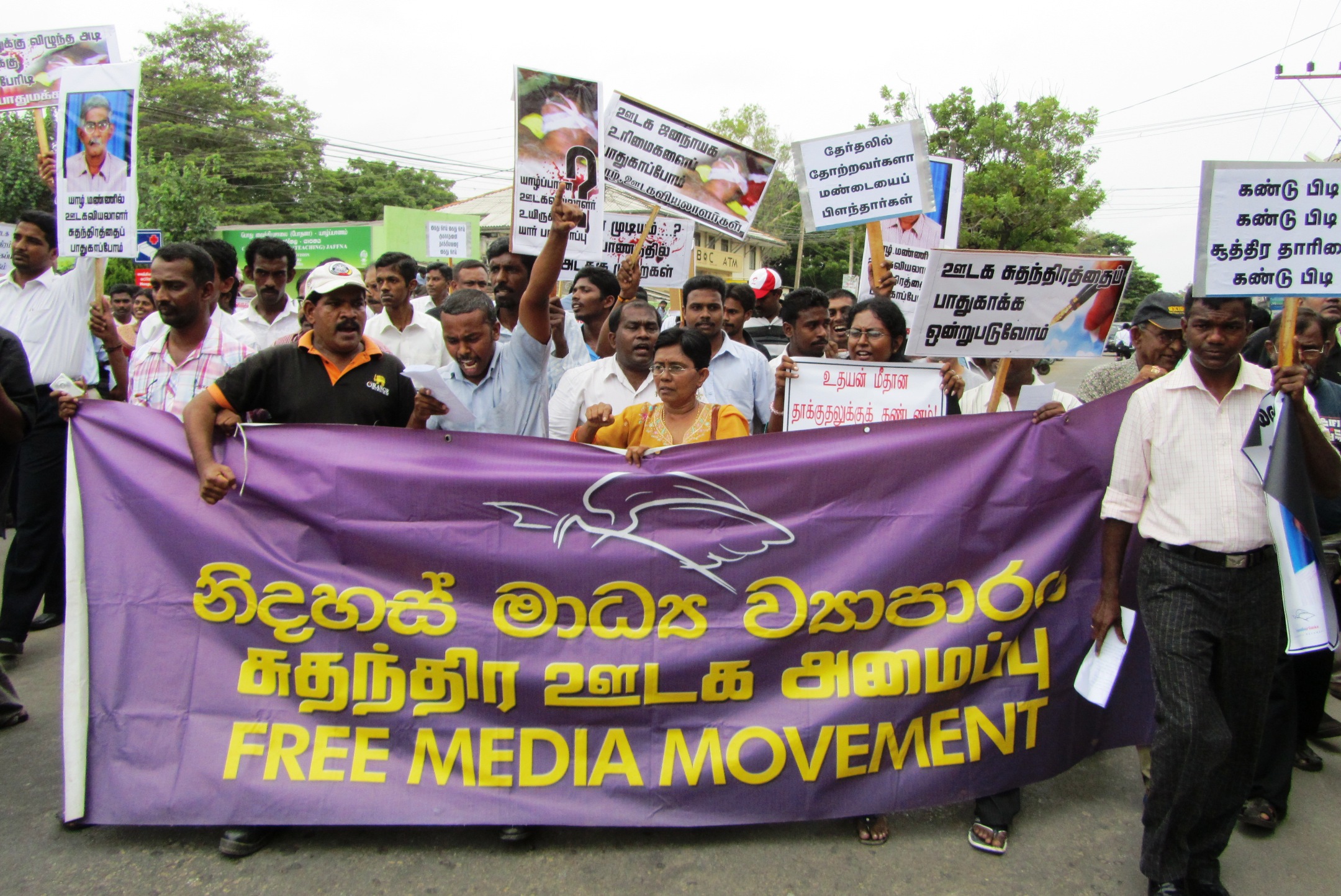

COLOMBO, 16 October 2026 — Two media rights activists of the Free Media Movement have formally petitioned the Supreme Court to challenge the constitutionality of the government’s newly tabled bill titled “Protection of the State from Terrorism.” Filed on October 16, 2026, the application argues that the proposed law introduces an overly broad framework that threatens fundamental rights and could severely cripple press freedom and investigative journalism across the island nation.
The petition was brought forward by Udaya Kalupathirana and Bishrul Hana Ibrahim, both executive committee members of the Free Media Movement (FMM). It names the Attorney General, Minister of Justice Harshana Nanayakkara, and Minister of Public Security Ananda Wijepala as respondents.
A Vague and Sweeping Definition of Terrorism
The primary grievance raised by the FMMs centers on Clause 3 of the Bill, which defines the core offence of terrorism. According to the legal filings, the legislation uses sweeping, ambiguous terminology—such as acts intended to “unduly compel” a government or “provoke a state of terror”—without providing clear boundaries.
The petitioners warn that under Clause 3(2), ordinary public actions resulting in “serious damage” to infrastructure, “substantial economic loss,” or disruptions to electronic systems could be classified as acts of terror. The petition argues that despite a clause supposedly protecting the right to peaceful protest and strikes, the vagueness of the language leaves the law highly susceptible to arbitrary interpretation by law enforcement. Individuals convicted under these clauses could face severe penalties, including life imprisonment.
Direct Threat to Journalistic Standards
For the media landscape, the legal challenge highlights specific operational dangers. The petitioners argue that the bill effectively criminalizes public interest communication by targeting the dissemination of “terrorist publications” and statements deemed to “indirectly induce” terrorism.
Clause 10 defines a forbidden publication as anything “useful in” the preparation of a terrorist offence. The activists contend that this wording is so broad it could criminalize routine investigative reporting that analyzes or documents national security matters, the actions of public authorities, or militant groups. Furthermore, Clause 15 establishes a duty to report suspected terrorist activity to the police under threat of up to seven years in prison. The journalists note that because the law does not explicitly protect journalistic privilege, it could force media workers to expose confidential sources or face heavy criminal sanctions, creating a severe chilling effect on the press.
Expanded Coercive Powers and Executive Detention
Beyond media restrictions, the petition flags systemic shifts in the administration of justice. The bill extends powers of search and arrest to members of the Armed Forces and Coast Guard Officers in “exceptional circumstances,” including areas where counter-terrorism or public order operations are active. Activists fear this will result in military interference during the reporting of civil unrest and demonstrations.
The proposed law also bypasses the ordinary judicial remand process. Clause 27 grants the Ministry of Defence the executive authority to issue Detention Orders, allowing suspects to be held for successive periods of two months, up to an aggregate of one year, without standard judicial oversight.
Demand for a Public Referendum
The petition states that while protecting the public from terrorism is a legitimate state objective, it cannot bypass the rule of law or alienate the sovereignty of the people.
The petitioners are requesting the Supreme Court to declare that the “Protection of the State from Terrorism” bill violates multiple articles of the Sri Lankan Constitution, including guarantees of equality, freedom of expression, and freedom from arbitrary detention. They contend that because the bill systemically undermines the constitutional architecture, it cannot be passed by a simple parliamentary majority and must instead require a two-thirds majority in Parliament alongside direct approval by the citizens through a National Referendum.