

By Aruliniyan Mahalingam/ Jaffna Monitor
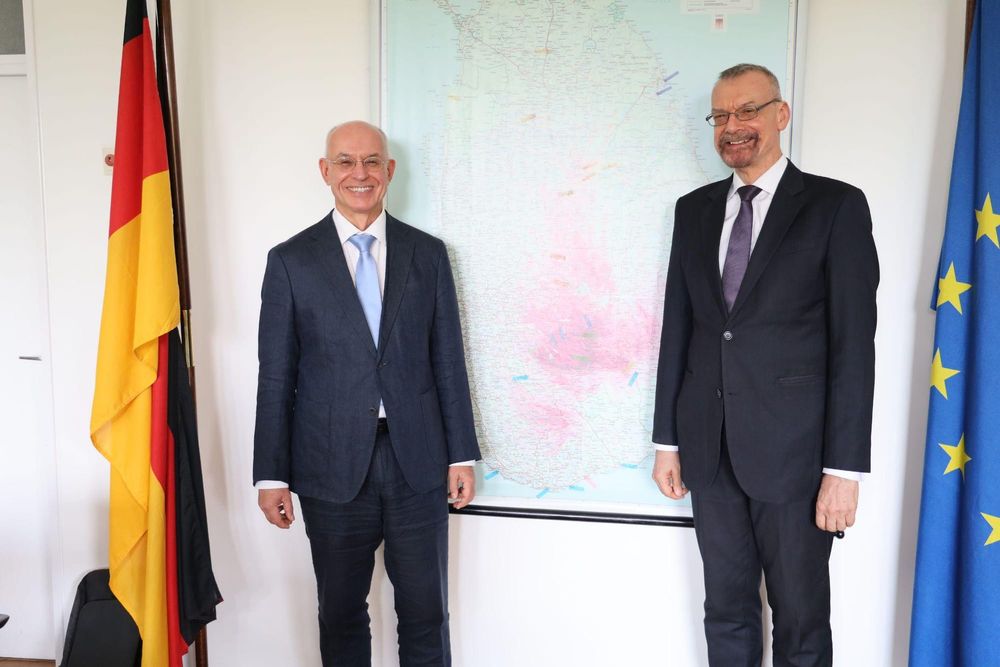
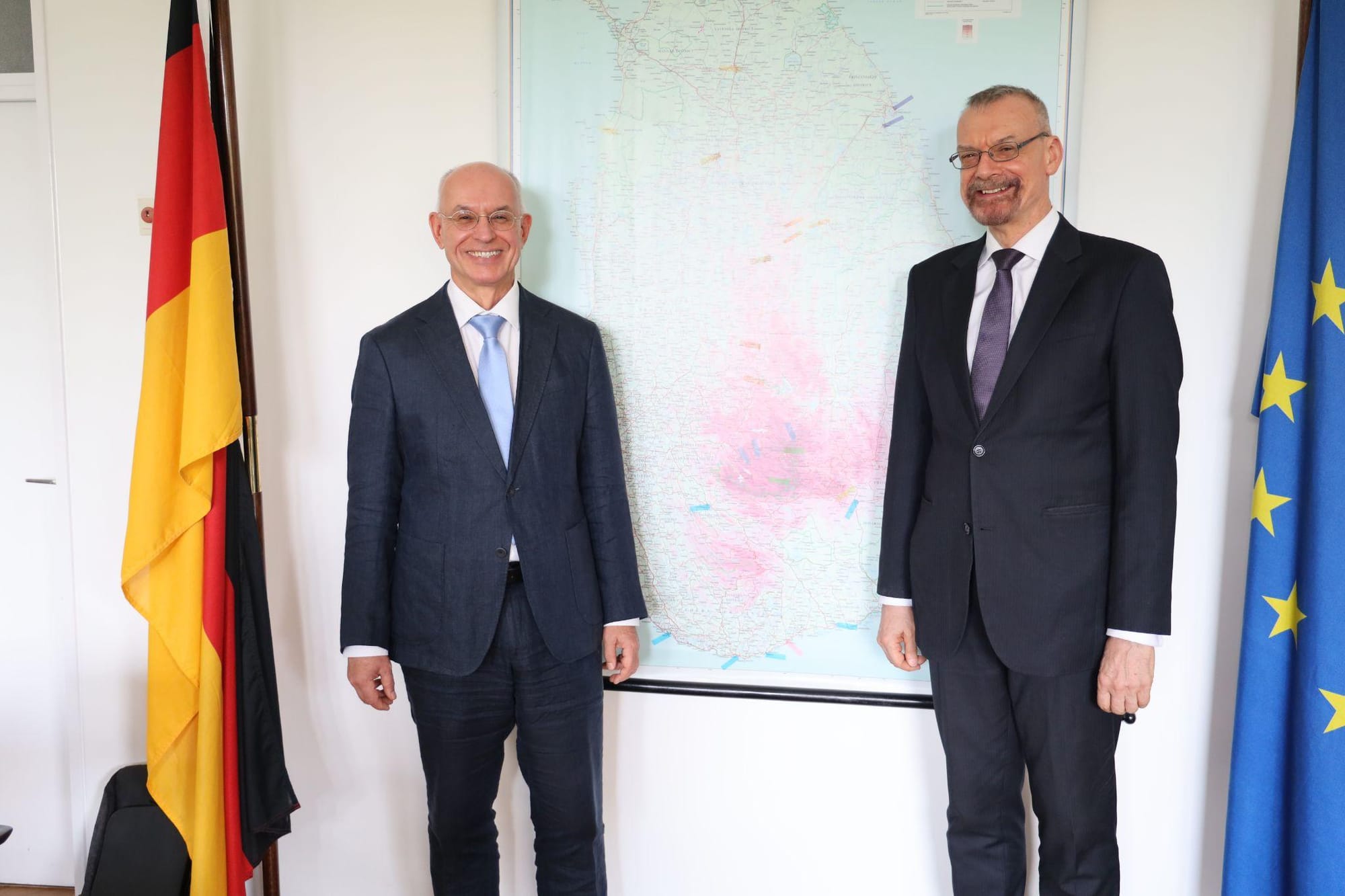
When the French Ambassador to Sri Lanka, Rémi Lambert, and the German Ambassador to Sri Lanka, Dr. Felix Neumann, travelled together to Jaffna, the visit was more than a diplomatic stop in the island’s north.
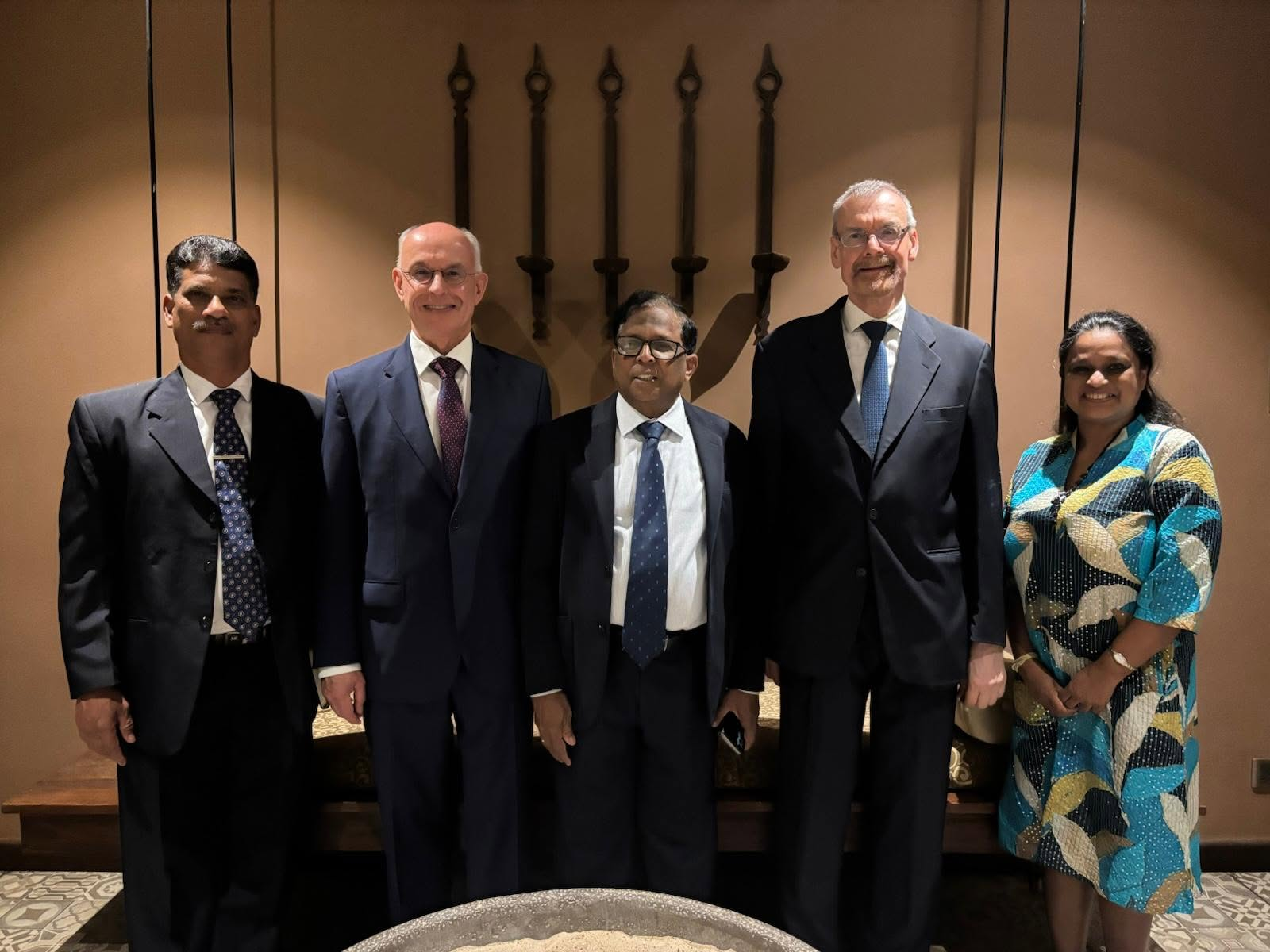
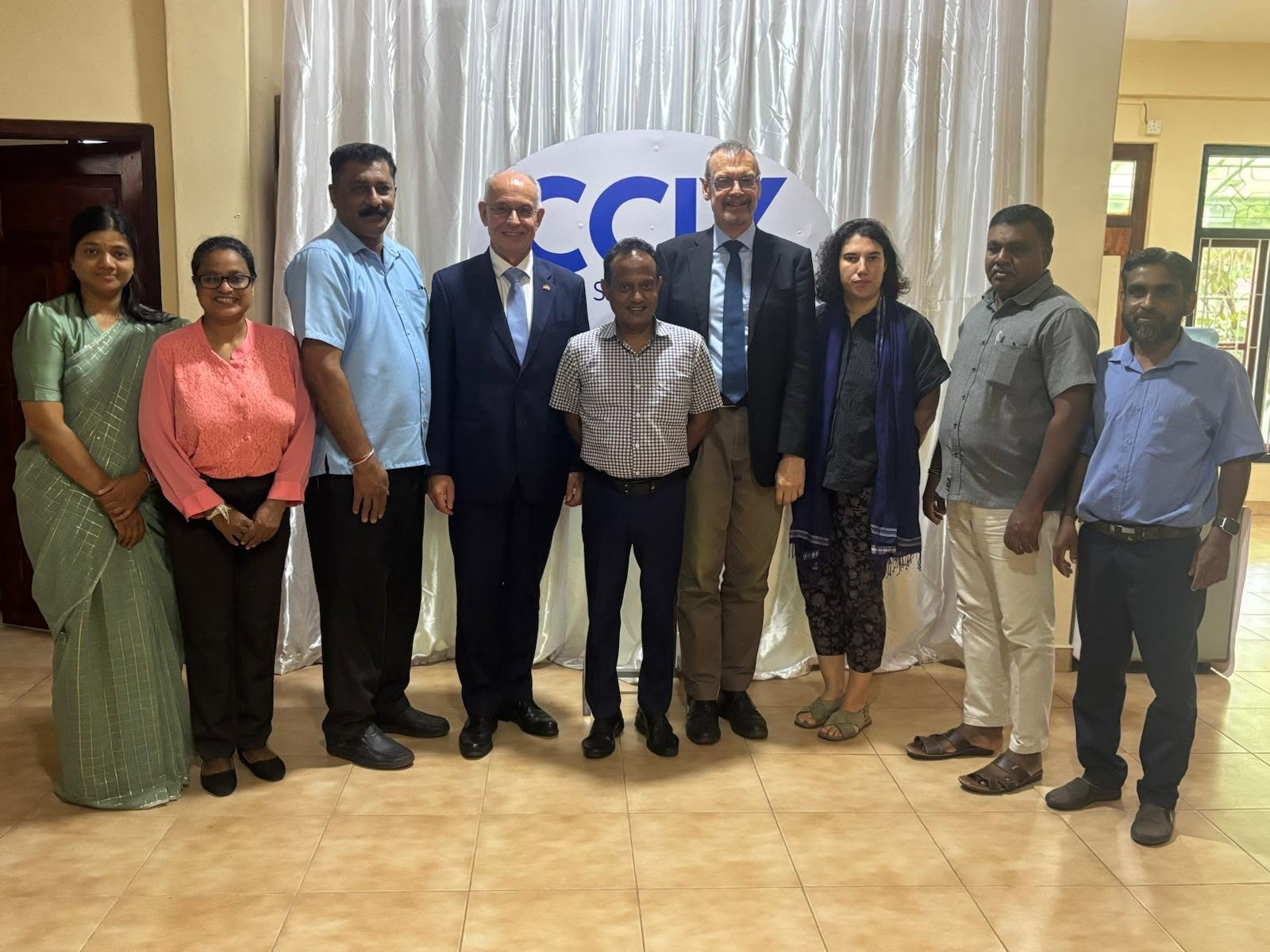
Over a series of meetings with political leaders, civil society representatives, academics and other local stakeholders, the two envoys heard first-hand about the region’s potential, hopes and frustrations as well as its unresolved challenges. In a joint interview with Jaffna Monitor, they reflected on what they saw, what they heard and how France and Germany view the future of Sri Lanka’s Northern Province.
For brevity, they are referred to below as Ambassador Neumann (Germany) and Ambassador Lambert (France).
During your joint visit to Jaffna, what did you observe or hear that most challenged the way Colombo-based diplomacy usually understands the North?
Ambassador Neumann (Germany): What stood out for us most when we were in Jaffna seemed to be the special importance of local perceptions — of dignity, access, and participation in governance. From a Colombo-based perspective, some of these concerns appeared, or can appear, to be resolved on paper. But when we were on the ground, talking and listening to the people, we heard a particular emphasis on lived experience, trust, and inclusion. At the same time, we saw growing expectations within the local business community for more transparent and decentralised processes, alongside an improved ease of doing business, that would make it more straightforward for potential investors to engage, navigate resolutions, and establish operations in the region.Maybe I will limit myself here and hand it over to my French colleague.
Ambassador Lambert (France): Thank you very much. I will echo what my German colleague said. We discovered — or rather had confirmed — the vibrant potential, particularly of a vibrant civil society and a private sector that is willing to engage. At the same time, we have seen the challenges the North faces in terms of connectivity and remoteness. As the German ambassador said, there is a lot to do, and many challenges we have to address from that point of view. There is also the potential of the diaspora, which is willing to return and to give back to this part of the country. Maybe that, too, could be a contribution.
What specific governance, livelihood, or social cohesion gaps did you identify in Northern Sri Lanka that will directly shape your future development priorities there?
Ambassador Neumann (Germany): We got the impression that gaps remained in local economic opportunities, fair land access, and administrative capacity. These “gaps,” as you call them, directly affect livelihoods, and they also influence long-term social cohesion and confidence in public institutions. In terms of local economic opportunities, Through GIZ, Germany has supported Jaffna’s local business community by helping create Hatch Kalam, the city’s first maker and co-working space. Today, it serves as a centre for entrepreneurship, innovation, and the development of startups and small businesses.
Ambassador Lambert (France): During this mission, in our meetings with the young entrepreneurs and the business community, we had the opportunity to see how willing they were to address these challenges. Some of them are already working with the support of the German Embassy. We too are willing to work with them, through the French instruments of cooperation, or with the French Development Agency (AFD).
Based on your discussions with provincial officials, business leaders, and civil society, how would you describe the current relationship between the Northern Province and the central government?
Ambassador Neumann (Germany): My French colleague and I felt that the relationship is functional — no doubt. Yet, at the same time, it seemed to us to be still marked by a considerable degree of mutual distance. Yes, there is engagement on all sides, but also a rather clear expectation in the North for deeper consultation, faster decision-making, and, as soon as possible, more consistent devolution in practice. If I may add, a strong view was expressed that sustained progress would depend on the government actively building trust with local communities in the North — by following through on commitments and delivering on promises in a consistent and transparent manner.
Ambassador Lambert (France): We observed that the decision-making process still depends largely on central government decisions, which we can understand, given the structure of Sri Lanka’s national state. But we did observe an expectation that the views and priorities of this region, particularly in terms of development and business opportunities, should be taken into account. I would say the analysis is that many of these issues are not specifically related to the North; they concern Sri Lanka as a whole, particularly in terms of business opportunities, transparency, and coordination. But that said, coordination between the central state and the province is certainly key to the development of the region.
You both spoke about the importance of connectivity. Having travelled to Jaffna yourselves, you must have personally experienced how long and difficult the journey can be. Do France and Germany view stronger north–south connectivity as an urgent national development priority for Sri Lanka?
Ambassador Neumann (Germany): I think both of us remember the long journey, and the long time we needed to get to Jaffna. We even met along the way, when we had a break, without having coordinated it. So, yes — improved connectivity is a development issue as well as a cohesion issue. Better transport and administrative connectivity would, from our point of view, strengthen national integration and economic opportunities.
Ambassador Lambert (France): We both remarked, I think, when we were on our way to Jaffna, that Colombo and Jaffna needed an expressway. It’s a long way, even though we could enjoy the beautiful landscapes. But yes — better connectivity in terms of road, but also rail connectivity, port access, and, maybe beyond transportation, digital connectivity and logistics, are certainly essential to development and the region’s potential. I would add that we are talking here about domestic connectivity, but for the development of the region, regional connectivity with the Bay of Bengal and the wider regional environment is also very important. And if you will allow me, I would add that developing connectivity and infrastructure is important — but from the French, German, and broader European perspective, it is equally important that infrastructure projects respect transparency, are environmentally sound, and are socially inclusive. Those standards are also very important for us. That is what we are promoting.
Why was this joint Franco-German visit to Jaffna strategically important, and could it signal a deeper long-term European focus on Sri Lanka’s North and East?
Ambassador Neumann (Germany): Let me start by saying, yes — this was a joint German-French visit, underscoring the importance that both France and Germany place on coordinated engagement in South Asia, and our shared commitment to gaining a better understanding of local dynamics in order to better inform future cooperation and policy. Furthermore, the visit was based on a shared European interest in understanding the whole of Sri Lanka — not only parts of it, but the entire country. This signals sustained attention to inclusive development and regional balance, in Sri Lanka and in the region itself.
Ambassador Lambert (France): It’s not a shift; it’s a deepening of our engagement. We have worked across Sri Lanka, including in the North, and we have already jointly developed some projects, particularly cultural ones. For example, on a regular basis, we have worked together on cultural projects in Jaffna. We had the Itinerant Library project across the country, including Jaffna; the Sister Library project last year, whose launch we jointly participated in; as well as the Roots We Take project. We have developed, and continue to develop, projects jointly between Germany and France. And, as the German ambassador said, this is also part of a broader European engagement with the region, based on fostering inclusive governance in particular.
More than seventeen years after the end of the war, how do France and Germany assess the current state of reconciliation, accountability, and minority inclusion, based on what you saw and heard in Jaffna?
Ambassador Neumann (Germany): Of course, this was one reason for us to go on a joint mission: to see and to hear. We heard about progress in some areas, no doubt, particularly in reconstruction and basic services. But we also heard about continuing sensitivities around accountability, trust, and inclusion. From our point of view — and we, as Germans, know this from our own experience — reconciliation is always, and everywhere, a work in progress. It is not a one-day project. It is a longer process that requires work every day.
Ambassador Lambert (France): I would say, as my colleague has said, that it made sense for us to focus our visit in particular on reconciliation and these issues. As you may know, an important part of our joint commitment in Europe, and of European reconstruction, has been built on reconciliation between our two countries. Historically, it made a difference and completely changed the political and democratic landscape of our continent. So I think this is also an important message, and we are willing to support every effort made by the government and by local actors in that regard, including different aspects such as transitional justice, which has to be pursued. As for France, we are currently a member of the Human Rights Council until the end of this year. So, within that framework as well, we want to be supportive of efforts to promote dialogue. We have also supported the extension of the mandate under the Human Rights Council resolution entitled Promoting Reconciliation, Accountability and Human Rights in Sri Lanka.
Significant areas of civilian land in Northern Sri Lanka — including land belonging to my own friends and relatives — remain under military control even seventeen years after the end of the war, while militarisation continues to shape daily life. Do France and Germany view this as an unresolved post-war justice issue? And beyond symbolic land releases, what would genuine civilian resettlement look like from your perspective?
Ambassador Neumann (Germany): Indeed, when we undertook our joint mission and listened to nearly all our interlocutors, we noted ongoing concerns regarding land use and the presence of military structures in civilian life there. From our perspective — a European perspective — durable solutions require transparent processes and the full, but fair, restoration of livelihoods wherever possible. Germany finances projects on social cohesion and, together with our European partners, the Barometer project, which shows how much these questions are on people’s minds. Using scientific methods, these projects have shown over the years that what you mentioned is not only an issue for your family, but also a cornerstone of reconciliation in the area. Supported by Germany through GIZ’s SCOPE programme, the Sri Lanka Barometer measures public attitudes on reconciliation, trust, and social cohesion. Its findings help policymakers, civil society, and researchers better understand public opinion and shape more informed responses to the country’s social challenges.
Ambassador Lambert (France): I can echo what my German colleague has just said. In fact, this issue was raised during our visit, and it is a matter of concern, which has also been raised by the UN Human Rights Council. That said, since coming to power, the government has taken some important steps towards building trust with conflict-affected communities in the North and the East, including the release of some lands. So we are encouraging the government to move forward, because we have observed how important this is for the progress of reconciliation in these regions.
Sri Lanka has repeatedly delayed Provincial Council elections for years. Do France and Germany view this continued absence of elected provincial governance as a serious democratic and devolution deficit rather than merely a procedural delay?
Ambassador Neumann (Germany): This question has two sides and, therefore, two answers. On the one hand, this is the kind of question that, obviously, Sri Lanka, as a sovereign state, has to decide on. And we are confident that Sri Lanka will do so. Internationally, there is a widespread consensus among democratic states that regular elections are a cornerstone of democratic governance.
Ambassador Lambert (France): I fully share this assessment. I think we know that this is sometimes also related to the debate in Sri Lanka about the nature and structure of the state — whether it is a central, unitary state or another form of structure. Representing a country that has historically a strongly centralised state, like France, and a very unitary approach, that does not prevent us from having locally elected representatives. France combines an administrative organisation that is centralised, while at the same time relying on representative, elected local councils. So we have that experience, and we think it is good — as my German colleague has said — for the governance of the country as a whole.
Sri Lanka has pledged to repeal the Prevention of Terrorism Act. Have your governments directly called for time-bound repeal, and what minimum safeguards must replace it for Europe to view reform as credible?
Ambassador Neumann (Germany): You ask about our governments. I would answer that, in line with many other democratic states and international institutions, our governments have consistently encouraged reforms aligned with international human rights standards — including clear safeguards, judicial oversight, and time-bound implementation. We share the conviction that all legislative reforms should be credible, transparent, and aligned with the principles of the rule of law. This applies to the Prevention of Terrorism Act as well.
Ambassador Lambert (France): We note that the conditions under which the PTA was adopted were different, as its rationale was combating terrorism, which is reflected in its title. Many states, in that respect, have adopted legislation on such matters. But that said, as my colleague has said, it is very important that it complies with international human rights standards and commitments. We have noted the intention of the government to repeal it, and we fully support that intention. As for the replacement — whatever the future legislation may be — it is important that it be aligned with those international standards, with strong judicial and procedural safeguards.
Critics often view GSP+ as political leverage rather than a purely economic partnership. Do France and Germany believe Sri Lanka is genuinely meeting both the technical requirements and the broader democratic obligations of GSP+, and should future trade preferences remain a meaningful lever for reform?
Ambassador Neumann (Germany): Let me first state that GSP+ is a trade arrangement, no doubt. But it is a trade arrangement that enables privileged economic relations between partners who share the same values-based framework. If partners act within the same values-based framework, they can have a deeper understanding of each other and closer cooperation. That is the thinking behind it. Continued eligibility therefore depends on sustained compliance with international conventions, which enables the two trading partners to rely even more on each other, knowing that they are both members of the same system of international conventions. Thus, GSP+ encourages steady and measurable progress. That is the rationale, as we see it.
Ambassador Lambert (France): GSP+ provides a major opportunity for Sri Lanka in terms of international integration into values-based supply chains. It must not be considered, as it is sometimes wrongly presented, as a constraint on Sri Lanka. On the contrary — through GSP+, the European Union is providing Sri Lanka with a tremendous opportunity to integrate into those supply chains and to attract investment into the country, provided that the set of 27 conventions is respected.
Would France and Germany support stronger protections for authentic Northern-origin products in European markets, to protect local industries and regional identity?
Ambassador Neumann (Germany): Our countries strongly support a free, rules-based international trade order, which creates predictable conditions for business and helps integrate partners into global value chains. You may understand that, in that context, companies in the North — like those elsewhere in Sri Lanka and all over the world — can benefit on an equal footing: from fair access to international markets, and the opportunity to participate in global supply networks. Having said that, alongside these broader efforts, steps can be taken to strengthen regional branding and competitiveness. The international, free, rules-based trade system provides opportunities for branding, through quality labels, to identify local origin. But what is important is that all actors have the same right to enter these global systems. That, at least from a German point of view, is very important.
Ambassador Lambert (France): This is also the French point of view. It would be extremely difficult, in terms of EU customs treatment, to differentiate products by provincial origin within Sri Lanka. Rather than having separate customs treatment, we think it is much more important that businesspeople and private companies in the North explore the possibility of using instruments such as geographical indications, which have been developed with the support of the European Union. For France, we have also worked in Sri Lanka on developing geographical indications. That is one example of what we encourage producers in Sri Lanka, particularly in the North, to do, in order to make their products better known to foreign customers.
Which sectors in Northern Sri Lanka do France and Germany see as genuinely investment-ready today; what are the main concerns facing foreign and diaspora investors; and how can investment be encouraged without deepening land disputes or political tensions?
Ambassador Neumann (Germany): During our visit to the North, we were told that agriculture, fisheries, and renewable energy, in particular, show promise. Yet we were also informed that key concerns for investors include land clarity, regulatory predictability, and long-term policy stability. Finally, it was mentioned that the engagement of the rather large diaspora could be an additional asset — if, as was underlined several times, the confidence of this diaspora can be strengthened.
Ambassador Lambert (France): There is a lot of potential in the North, ranging from fisheries, cold-chain development, agri-food, renewable energy, sustainable tourism, digital services, vocational skills, and logistics. But, in general, the North does not have, to my understanding, a separate business regime. It is facing the same challenges that foreign — European, French, and German — investors encounter when seeking to develop ties with Sri Lanka. As the German ambassador has said, there are a number of issues. I would also add the risks posed by corruption, which we know the government is addressing, as well as land issues, disputes, and settlements. All these elements are important in creating a business environment conducive to developing stronger investment ties. As for France, the French Development Agency, AFD, is certainly willing to explore opportunities to support projects, as it has done in the past — for example, with the Jaffna water treatment plant.
How important do France and Germany consider the development of Palaly Airport and Kankesanthurai Harbour in Northern Sri Lanka? Do you see these projects as essential for regional development, connectivity, and broader strategic engagement — and are you concerned that the current government may not be prioritising these strategically important Northern infrastructure projects aggressively enough?
Ambassador Neumann (Germany): The development of infrastructure is always, and everywhere, of great importance. And yes — in Sri Lanka’s North, if you look at the map, you realise it has a clear and special economic relevance, particularly for connectivity and trade. So, from our point of view, such projects should indeed be a priority. But, like all projects, they must be sustainable and locally beneficial.
Ambassador Lambert (France): I share the same assessment. Now, financing these infrastructure projects raises the question of funding. There is, of course, public financing, but there are also other possible avenues. One would be the role of the local private sector: would it be ready to participate and invest, for instance, on a public-private partnership (PPP) basis? We have observed examples in the region, in countries close to Sri Lanka. One is the Sialkot International Airport, which was developed with the support of the local business community. So that may be an avenue — food for thought. It is just an example. In any case, as I mentioned earlier, when the French Development Agency (AFD) resumes its support to Sri Lanka — which requires the signing of a host agreement — AFD is willing to support transport projects. This could be one example. And, more generally, France and Germany belong to the European Union, which supports a strategy called the Global Gateway, which places a very strong emphasis on developing connectivity and infrastructure in a sustainable and inclusive manner.
Editor’s note: From this question onward, the order of responses changes. The French ambassador answers first, followed by the German ambassador.
How do France and Germany balance support for rights-based initiatives, including gender equality and LGBTQI+ inclusion, while navigating local cultural and political sensitivities?
Ambassador Lambert (France): Both countries have been very much committed to these inclusive policies, both domestically and in terms of foreign policy, and we have been working very actively on them. For instance, France has been promoting feminist diplomacy. Last year, in a dialogue with the government, we advanced this approach, and on these issues, as on many others, we work very closely with Germany. In Sri Lanka, and particularly in the North, I mentioned the cultural projects, including the Sisters Library project, which is an example, because it also promotes the voices of women authors in literature. There are many other projects on which we are working. France has been funding projects on period poverty through networks of organisations, as well as supporting feminist organisations in terms of women’s empowerment, women entrepreneurs, and addressing gender-based violence, working with networks of local organisations, including in the North and the East.
Ambassador Neumann (Germany): As my French colleague has said, we represent two countries and two embassies that share the conviction that human rights principles are universal and comprehensive. So everyone is included, and that means gender equality and non-discrimination as well. Yes, we have had various projects. The Sisters Library project was already mentioned. We also held an event at the German residence that brought together women in decision-making positions across the administration here in Sri Lankan Ministries, Civil Society, UN missions and in the embassies. I was the only man in the room, which showed the approach we take. But at the same time, we recognise that such progress is most sustainable when it is locally anchored and context-sensitive. We do not want to shock anyone, but rather to embrace and invite people into this universal and comprehensive understanding.
In the wake of Cyclone Ditwah and Sri Lanka’s growing climate vulnerability, what major French and German climate resilience, renewable energy, or sustainable development initiatives do you believe are most urgently needed to help Sri Lanka build a more secure and sustainable future?
Ambassador Lambert (France): We are facing the same challenges as Sri Lanka. A few months before Cyclone Ditwah hit Sri Lanka, French islands La Réunion and Mayotte in the Indian Ocean were also affected by cyclones. We know that these major events, caused by climate change, may, unfortunately, repeat in the future. So it is highly important that our commitment to climate action — which France and Germany are very actively promoting at the multilateral level — is pursued together with Sri Lanka.
There are many projects that can be undertaken to improve the resilience of infrastructure, protect biodiversity, and restore mangroves. I do not want to mention all of them, but I can say that, from our perspective, we are working in Sri Lanka with the Regional Centre for Maritime Studies (RCMS), which operates from Colombo while serving all of Sri Lanka. It brings together experts on issues related, in particular, to the protection of the marine environment, and in the future we will develop the humanitarian assistance and disaster relief (HADR) component within this centre.
Ambassador Neumann (Germany): Yes, of course. As the French ambassador said, I remember very well — and Germany remembers very well — the catastrophic impact of Cyclone Ditwah. Sri Lanka, France, and Germany were, within the European framework and through European Union assistance, among the major contributors helping to reconstruct, as quickly and as far as possible, what had been damaged. But it is equally true that repairing damage comes later. Better is to work on the climate before the damage occurs. As a sovereign state, Sri Lanka develops its own priorities in all these areas, and we have taken note that the Sri Lankan government has launched its Clean Sri Lanka initiative, which is a broad programme. It includes key priorities such as coastal protection, which is linked to the Regional Centre for Maritime Studies the French ambassador mentioned; renewable energy, in which we share projects with the European Union; resilient agriculture; improved disaster preparedness; and climate adaptation. These are increasingly central to long-term stability and livelihoods, and we encourage Sri Lanka, within this programme and others aligned with its priorities, to continue moving forward.
As two of the European Union’s most influential member states, how do France and Germany envision their leadership role in shaping broader EU engagement with Sri Lanka — particularly in areas such as reconciliation, democratic governance, trade reform, climate resilience, and Northern development — and can the North expect greater access to future EU-led strategic initiatives through your partnership?
Ambassador Lambert (France): As members of the European Union, as you said, France and Germany are actively supporting the strategy developed here by the EU Delegation. We support it in particular within the GSP+ framework, which I mentioned earlier. As I said, GSP+ is an opportunity for Sri Lanka to expand its export markets. The European Union is the second-largest export market for Sri Lanka, and it offers an opportunity for greater integration of Sri Lankan exports into the global economy. Through these instruments and opportunities, Sri Lanka can become more competitive, more predictable, and better integrated into global value chains through preferential market access. I think another important element is the possibility of developing a better framework for re-exports, because one key element for Sri Lanka is greater international economic integration. Investors will be more attracted to Sri Lanka if they also have the possibility to re-export from Sri Lanka.
Ambassador Neumann (Germany): As we have heard, both Germany and France support a coherent EU approach, which reflects the common position of all European member states — big member states and small member states alike. This is the character and the strength of the European Union: within it, we build a consensus among all member states and then take that common position forward. Therefore, EU member states think in terms of regional cooperation, and I very much support what the French ambassador has said. We encourage Sri Lanka to think in regional terms as well. This is not only a major economic advantage, but also a significant political one. Countries that share the same values can develop regional cooperation in the economic field, and the objective of such cooperation is to build partnerships that support the long-term resilience of all partners. The European Union would like to be a partner in that process, and to support inclusive growth for all.
What is one difficult truth from Jaffna that Europe should continue repeating, even if it complicates official diplomacy?
Ambassador Lambert (France): I would say that there is no difficult truth. We are committed to engaging with Sri Lanka at every level, including with the authorities in the provinces, through dialogue. So there is nothing that dialogue cannot solve. We are here to promote it.
Ambassador Neumann (Germany): On the same line — diplomacy is designed for all questions. So we are not afraid of complicated diplomacy. Diplomacy is the art of dealing with all kinds of situations, and, of course, it should follow the principles of international law. In this spirit, we believe that everywhere, mutual trust, participation, and perceived fairness remain just as important as physical development.
Both Germany and France currently require visa applicants from Northern Sri Lanka to travel nearly 350 to 400 kilometres to Colombo to provide biometric fingerprints and complete visa formalities. Given the North’s large diaspora-linked population and the significant time and cost involved, would your governments consider expanding visa services beyond Colombo in the future? Do you see value in introducing biometric collection or visa application facilities in Jaffna to make the process more accessible for people in the North?
Ambassador Lambert (France): Access to visa services is regularly reviewed within our administration. Visa procedures involve the processing of sensitive biometric data, which requires very high technical and security standards. At this stage, France therefore will maintain a centralised system in Colombo, in order to ensure the highest level of security, reliability, and protection of personal data. Nevertheless, we continue to explore ways to improve the experience of applicants and facilitate administrative procedures whenever possible.
Ambassador Neumann (Germany): I have exactly the same answer as my French colleague has just given.
(Jaffna Monitor)