
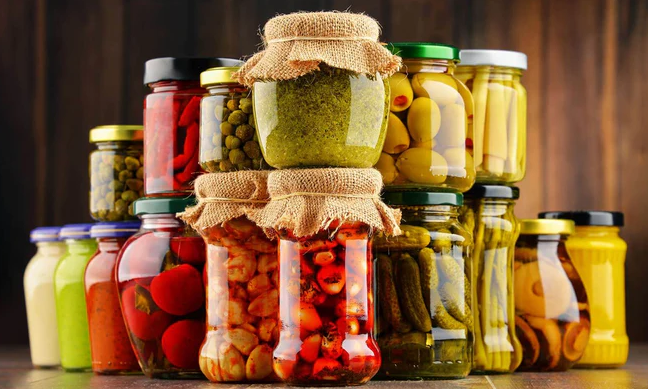

A major French study has sparked fresh debate about consumers’ right to safe food, linking widely used preservatives to increased risks of heart disease and high blood pressure.
The research, published in the European Heart Journal, tracked more than 112,000 people and found that those consuming higher levels of common preservatives had a 29% greater risk of high blood pressure and a 16% higher risk of heart attack and stroke. [news-medical.net]
Everyday Foods, Hidden Risks
The additives identified—including sodium nitrite, potassium sorbate and potassium metabisulphite—are present in many everyday products such as processed meats, baked goods and beverages.
Even more concerning, the study found that so-called “natural” preservatives like citric acid and ascorbic acid (vitamin C) were linked to a 22% higher risk of high blood pressure when consumed as food additives.
Researchers emphasised that this does not apply to natural nutrients in fresh fruits and vegetables, highlighting a key distinction between whole foods and industrial processing.
A Question of Consumer Rights
Public health advocates say the findings raise important questions about transparency and regulation.
Nearly all participants in the study consumed preservatives regularly, suggesting that exposure is not a matter of choice but of limited alternatives in modern food systems.
If ingredients linked to health risks are so widespread, campaigners argue, consumers have a right to:
- Clearer labelling and information
- Stronger regulatory oversight
- Access to safer, minimally processed food options
What Happens Next?
Researchers caution that the findings are observational and require further confirmation.
However, they also suggest that authorities may need to re-evaluate current approvals of food additives to protect public health better.
For now, the study reinforces a growing message: while preservatives help food last longer, the long-term impact on health—and on people’s right to safe, informed choices—may need far closer attention.
( Compiled with the help of artificial intelligence and checked for accuracy )