
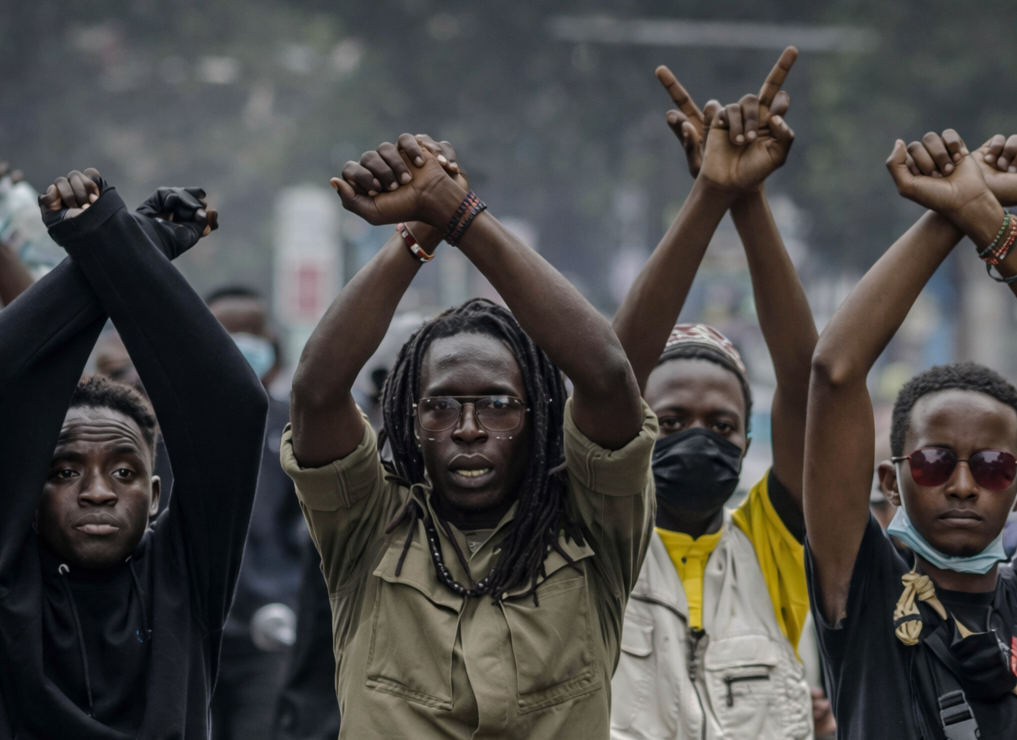

In January 2026, Oxfam International released a powerful report warning of the growing threat posed by the concentration of wealth and power among the world’s billionaires. Titled “Resisting the Rule of the Rich: Protecting Freedom from Billionaire Power,” the report paints a stark picture of a world at a crossroads—where the choice between oligarchy and democracy has never been more urgent.
The past decade has witnessed an unprecedented surge in billionaire wealth, with the number of billionaires surpassing 3,000 for the first time. This explosion of riches has not only widened the gap between the richest and the rest but has also enabled the super-rich to exert disproportionate influence over politics, media, and the very rules that govern societies. The report highlights that, since the election of Donald Trump in 2024, billionaire fortunes have grown three times faster than in the preceding five years. Elon Musk, for instance, became the first individual to amass a fortune exceeding half a trillion dollars. Meanwhile, one in four people globally faces hunger, and nearly half the world’s population lives in poverty.
Oxfam’s analysis reveals that the world’s twelve richest billionaires now possess more wealth than the poorest half of humanity—over four billion people. This extreme concentration of wealth is not merely an economic issue; it is a direct threat to democracy itself. The report argues that economic inequality inevitably translates into political inequality. Billionaires are thousands of times more likely to hold political office than ordinary citizens, and their financial power allows them to shape policy, influence elections, and dominate public discourse.
The digital realm has become a new battleground for power. Platforms like X (formerly Twitter), owned by billionaires, have been used both to amplify hate speech and to enable state surveillance and repression. In Kenya, for example, digital platforms have been instrumental in tracking, abducting, and torturing protestors. The report documents how, in 2024 and 2025, protests against inequality and government austerity in Kenya and Argentina were met with brutal crackdowns, including killings, abductions, and widespread police violence.
Oxfam’s report also exposes how governments and media, often under the sway of the super-rich, scapegoat migrants and minorities to distract from the real causes of hardship—namely, extreme inequality. This tactic not only diverts attention from the structural roots of poverty but also fuels division and violence.
 Despite these grim realities, the report insists that change is possible. It calls on governments to make the radical reduction of economic inequality their top priority. This includes adopting National Inequality Reduction Plans with clear targets, supporting the creation of an International Panel on Inequality, and taxing the super-rich effectively. The report also urges governments to regulate lobbying, campaign financing, and media ownership, ensuring that political power cannot simply be bought.
Equally important is the need to build the political power of ordinary people. Oxfam advocates for the protection of civic space, the right to organise and protest, and the strengthening of civil society organisations and trade unions. These groups are essential counterweights to oligarchic power and play a vital role in defending democracy and human rights.
“Resisting the Rule of the Rich” concludes with a call to action: defending democracy and freedom requires collective effort and solidarity. Building a worldwide movement to demand equality and resist the rule of the super-rich is not only possible but essential for a fairer, more just future.
Full Report:EN – Resisting the Rule of the Rich