
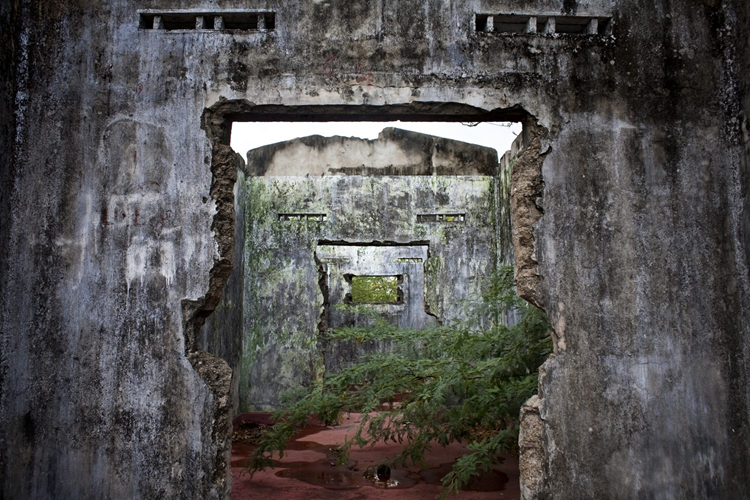

Image courtesy of REDRESS and the Institute for International Criminal Investigations.
A new report by the United Nations Office of the High Commissioner for Human Rights (OHCHR) has laid bare the harrowing legacy of conflict-related sexual violence (CRSV) in Sri Lanka, revealing a pattern of abuse that is both widespread and deeply entrenched. The report, issued in 2026, draws on more than a decade of investigations and survivor consultations, and calls for immediate, transformative reforms to deliver justice and restore dignity to those affected.
A Systematic Pattern of Abuse
According to the OHCHR, sexual violence during and after Sri Lanka’s armed conflict was not a series of isolated incidents but a deliberate, systemic campaign. The report documents how state actors, particularly security forces, used sexual violence as a tool of intimidation, punishment, and social control, disproportionately targeting Tamil civilians and those perceived to be affiliated with the Liberation Tigers of Tamil Eelam (LTTE). Survivors recounted brutal acts, including rape, sexual torture, and public humiliation, often in detention centres and militarised regions. The trauma inflicted was not only physical but also psychological and social, with survivors facing lifelong stigma, isolation, and economic hardship.
Barriers to Justice and Enduring Impunity
Despite the gravity of these crimes, the report finds that successive Sri Lankan governments have failed to ensure accountability. Survivors face formidable barriers: underreporting due to fear and stigma, lack of trust in state institutions, and a legal system riddled with gaps and delays. The Penal Code’s narrow definitions exclude male and LGBTQ+ survivors, and the criminalisation of same-sex relations further deters victims from seeking help. Even when cases are reported, prosecutions are rare, and impunity prevails. The report highlights that out of hundreds of reported incidents, only a handful have resulted in convictions, with most perpetrators escaping justice.
Survivor Voices: Trauma, Silence, and Stigma
The OHCHR report places survivor experiences at the centre of its analysis. Survivors described the enduring pain of being silenced by shame and fear, often ostracised by their communities and abandoned by loved ones. Many recounted how the absence of justice compounded their suffering, leaving them with a sense of powerlessness and loss of dignity. “We lost everything, even hope for justice,” one survivor lamented. The stigma extended beyond individuals to their families, with children born of rape facing discrimination and exclusion.
Recommendations: A Roadmap for Reform
The report issues a series of urgent recommendations to the Sri Lankan government, calling for a survivor-centred approach to justice and accountability. Key measures include:
- Publicly acknowledging past sexual violence by state forces, issuing a formal apology, and committing to comprehensive reforms across the security sector, judiciary, and rule of law.
- Reforming the Penal Code to adopt gender-neutral definitions of sexual violence, recognising the lack of freely given consent, and protecting all survivors regardless of gender or sexual orientation.
- Establishing an independent, well-resourced investigative and prosecutorial body, separate from the Attorney-General’s Department, to handle CRSV cases free from political interference.
- Providing adequate funding and protection for local organisations supporting survivors, and developing comprehensive reparations, including psychosocial support and social protection schemes.
- Repealing the Prevention of Terrorism Act and emergency laws that enable arbitrary detention and increase the risk of sexual violence.
- Strengthening complaint mechanisms, data collection, and public awareness campaigns to combat stigma and promote reporting.
- Engaging with international accountability mechanisms and acceding to the Rome Statute to strengthen the legal framework for prosecuting sexual violence and other human rights violations.
A Call for Political Will and International Support
The OHCHR stresses that genuine political will is essential to translate these recommendations into action. The report urges the government to cooperate with international mechanisms and to prioritise the needs and voices of survivors in all reforms. It also calls on the international community to support accountability efforts, including through targeted sanctions and support for civil society organisations.
Towards Justice and Healing
The findings of the OHCHR report underscore the urgent need for Sri Lanka to confront its past and deliver justice to survivors of conflict-related sexual violence. Without meaningful reform, the cycle of impunity and trauma will persist, undermining the prospects for reconciliation and lasting peace. As the report concludes, “Strengthening legal and institutional frameworks is not only about delivering justice for past crimes; it is about building a foundation for a more just and inclusive society.
The Report:2026-crsv-brief-english