

(Sri Lanka Brief)– The Department of Wildlife Conservation has reported a surge in wild elephant deaths across Sri Lanka this year, underscoring the growing human-elephant conflict and environmental challenges facing the island nation.
Elephant Death Toll Climbs to 409
Deputy Director of Wildlife U.L. Tawfiq confirmed that 409 wild elephant deaths have been recorded as of 18 December, marking an increase from 388 deaths reported last year. This alarming trend places Sri Lanka among the countries with the highest elephant mortality rates in Asia.
Causes of Death Highlight Human-Elephant Conflict
The Department outlined the primary causes behind these fatalities:
- Gunshot wounds: 71 cases
- Electrocution: 56 cases
- Hakkapatas (illegal jaw bombs): 48 cases
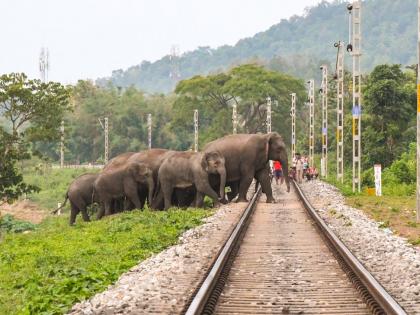
- Train accidents: 20 cases
- Other causes: Including poisoning and natural factors
Conservationists warn that these figures reflect the intensifying struggle between humans and elephants as development encroaches on natural habitats.
Cyclone Ditva Worsens Situation
Deputy Minister of Environment Anton Jayakody revealed that recent heavy rainfall and flooding caused by Cyclone Ditva have severely damaged the electric fence system designed to keep elephants away from villages.
- 148 electric fences damaged
- Total length affected: 838 km
- Estimated repair cost: Rs. 157 million
Many fences remain submerged, and the destruction of grazing lands has forced elephants to venture into villages in search of food, increasing the risk of conflict and fatalities.
Urgent Call for Conservation Action
Experts stress the need for immediate measures, including:
- Repairing damaged electric fences to restore barriers
- Stronger enforcement against illegal hunting practices such as hakkapatas
- Long-term habitat restoration projects to reduce elephant migration into human settlements
Sri Lanka’s wild elephant population, estimated at around 6,000, is a vital part of the country’s biodiversity. However, without decisive action, conservationists fear that rising mortality rates could threaten the species’ survival.